Reading a Heat Pump Installation Bid in Denver, Line by Line
The fastest way to judge a heat pump installation bid in Denver is to check what the installer measured before quoting. A trustworthy bid is built on a Manual J load calculation and a home assessment; it names the exact equipment model with its SEER and HSPF ratings; it addresses your ductwork and electrical panel; and it includes permitting and a commissioning step at the end. A bid that arrives after a five-minute phone call can only be a guess dressed up as a price. Our heat pump installation and replacement service in Denver quotes from a measured assessment, which is the standard you should hold every bidder to.
Gotchas that separate a low bid from a good one:
- No load calculation – Sizing by square footage ignores insulation, windows, and Denver’s climate. Undersized systems struggle in January; oversized ones short-cycle and die young.
- Unnamed equipment – “Cold-climate heat pump” without a model number makes it impossible to compare efficiency, rebate eligibility, or warranty terms between bids.
- Ductwork ignored – If your ducts leak, the promised efficiency never reaches your rooms. The bid should say whether ducts were inspected.
- Electrical panel unexamined – Homes switching from gas often need panel work; finding that out on install day means change orders.
- No commissioning or permit line – Refrigerant charge, airflow, and defrost operation must be verified, and Denver requires permits for HVAC changes.
Rebates add one more comparison point: local utility, City & County of Denver, and federal incentives apply only to qualifying models, so a slightly costlier high-efficiency bid can come out cheaper after incentives. The rest of this guide gives you the background — how heat pumps handle Denver’s four seasons, how sizing works, and what a professional installation involves — so every line on a bid makes sense.
How Heat Pumps Conquer Denver’s Four-Season Climate
At its core, a heat pump is an ingenious device that doesn’t create heat by burning fuel, but rather moves it from one place to another. This fundamental difference–heat transfer versus heat generation–is what makes it so remarkably efficient compared to traditional furnaces and air conditioners.
In the warmer months, a heat pump acts much like a conventional air conditioner. It diligently removes heat from the air inside your Denver home and transfers it outside, leaving your indoor spaces cool and comfortable. During colder months, the magic happens in reverse. Even when outdoor temperatures dip, there’s still heat energy available in the air. The heat pump extracts this heat, compresses it to raise its temperature, and then circulates it throughout your home. This process is facilitated by a component called a reversing valve, which allows the system to switch seamlessly between heating and cooling modes.
Compared to a traditional furnace, which burns natural gas or propane to generate heat, a heat pump uses electricity to simply move existing heat. This makes it a much greener alternative, avoiding the burning of fossil fuels. In fact, modern heat pumps can be up to 400% more efficient than even the most efficient furnaces on the market. When it comes to cooling, a heat pump functions identically to an air conditioner, providing powerful and consistent relief during Denver’s hot summers.
Are Heat Pumps Effective in Cold Weather?
This is often the first question Denver homeowners ask us, and for good reason! Colorado winters can be brutally cold. The good news is that modern cold climate heat pump technology has made incredible strides. These advanced systems are specifically designed to operate effectively in much lower temperatures than their predecessors.
Equipped with sophisticated compressors and refrigerants, today’s cold climate heat pumps can efficiently extract heat from outdoor air even when temperatures plummet to -13 degrees F (-24 degrees C). This means they can handle the vast majority of Denver’s winter days without breaking a sweat. For those rare, extreme cold snaps, many homeowners opt for supplemental heat sources or dual-fuel systems. A dual-fuel system intelligently combines an electric heat pump with a gas furnace backup. The heat pump handles the heating during milder temperatures when it’s most efficient, and when temperatures drop significantly, the system automatically switches to the gas furnace for added warmth. This intelligent combination ensures your home remains warm and comfortable regardless of how harsh the winter gets. To learn more about how these systems work, visit our dedicated page on Heat Pump technology.
The All-in-One Advantage: Key Benefits of a Heat Pump
Choosing a heat pump for your Denver home offers a multitude of advantages that go beyond just heating and cooling. It’s truly an all-in-one solution for modern home comfort.
The most significant benefit is energy efficiency. Because heat pumps transfer heat rather than generate it, they consume far less energy than traditional heating systems. This translates directly into lower energy bills for you, allowing you to keep more green in your pocket. This efficiency also contributes to a significantly reduced carbon footprint, making them a greener alternative for your home. By opting for a heat pump, you’re making a conscious choice towards environmental sustainability, lowering Colorado’s carbon footprint one home at a time.
Imagine having a single, streamlined system that provides both heating and cooling, eliminating the need for separate units. Heat pumps offer exactly that, simplifying your HVAC setup and maintenance. They are also known for delivering consistent indoor temperatures, avoiding the hot and cold spots often associated with older, less efficient systems. This leads to more even comfort throughout your home, enhancing your overall living experience. Additionally, modern heat pumps can contribute to improved indoor air quality, which is a crucial factor for a healthy home environment. Find more about these advantages on our Heat Pump Installation Benefits page.
Your Guide to a Flawless Heat Pump Installation in Denver CO
Installing a heat pump is a significant investment in your home’s comfort and efficiency, and ensuring a flawless installation is paramount. A professional installation guarantees that your system operates at peak performance, maximizing its lifespan and delivering the energy savings you expect.
The journey to a perfectly installed heat pump begins with a thorough home assessment. Our experts carefully evaluate your Denver home’s unique characteristics, including its size, layout, existing ductwork (or lack thereof), and insulation levels. This comprehensive assessment forms the foundation for designing a system that is precisely custom to your needs. From there, we move into the system design phase, where we select the appropriate type and size of heat pump, ensuring optimal performance and efficiency. We can’t stress enough the importance of professional installation; even the most advanced heat pump won’t deliver its promised benefits without expert hands guiding its setup.
Planning Your Heat Pump Installation in Denver CO Project
Starting on a heat pump installation denver co project requires careful planning to ensure the best results. We always recommend starting with a home energy audit. This crucial step helps us understand your home’s thermal envelope, identifying areas where energy might be escaping. Knowing how leaky or airtight your home is allows for proper equipment sizing and helps make your new heat pump operate more efficiently, last longer, and keep bills down. Based on the audit’s findings, we might suggest improvements like adding insulation or air sealing your home. These measures can significantly reduce your heating and cooling loads, potentially allowing for a smaller, more cost-effective heat pump system.
Next, it’s time to research and select the right system type for your home. This involves considering your home’s size and layout, existing heating and cooling systems, budget, and comfort expectations. We’ll guide you through the various options available.
One of the most exciting aspects of planning a heat pump installation in Denver is navigating the wealth of available rebates and tax credits. Both local utility providers and the City & County of Denver offer substantial incentives for cold climate air source heat pumps. Additionally, federal tax credits, such as those under the Inflation Reduction Act, can further improve your savings. We’re here to help you understand these programs and ensure you qualify for all applicable incentives. For more insights on the value of professional service, check out our article on Why Hire For Heat Pump Installation.
Choosing the Right System and Sizing for Your Home
Selecting the ideal heat pump for your Denver home involves understanding the different types available and ensuring the system is correctly sized.
For homes with existing ductwork, a ducted heat pump is often the most straightforward choice. This system uses your home’s existing air handler or furnace to distribute conditioned air throughout the house. If your Denver home lacks ductwork, or if you’re looking to add climate control to specific areas, ductless mini-split systems are an excellent solution. These systems use wall-mounted indoor units to provide zoned heating and cooling without the need for extensive ductwork. Another popular option, especially in our climate, is a dual-fuel heat pump, which combines the efficiency of an electric heat pump with the robust heating power of a gas furnace for ultimate flexibility.
Proper sizing is critical for any heat pump installation. An undersized unit will struggle to maintain comfortable temperatures, while an oversized unit will short-cycle, leading to inefficiency and premature wear. We perform a detailed Manual J load calculation, which scientifically determines your home’s specific heating and cooling requirements based on factors like square footage, insulation, window efficiency, and local climate.
Understanding efficiency ratings is also key. The Seasonal Energy Efficiency Ratio (SEER) and Heating Seasonal Performance Factor (HSPF) measure a heat pump’s cooling and heating efficiency, respectively. Higher numbers indicate greater efficiency and lower operating costs. For example, modern heat pumps often have SEER ratings of 14 or higher, and HSPF ratings of 8 or higher, with highly efficient models reaching SEER 16+ and HSPF 9+. For ductless systems, these ratings are often even higher.
The Professional Installation Process from Start to Finish
Once you’ve made your decision, our professional heat pump installation denver co process is designed to be as smooth and seamless as possible.
It all begins with an initial consultation, where we confirm all details, answer any remaining questions, and prepare for installation day. Our team then handles all necessary site preparation, including the careful removal and disposal of your old heating and cooling systems.
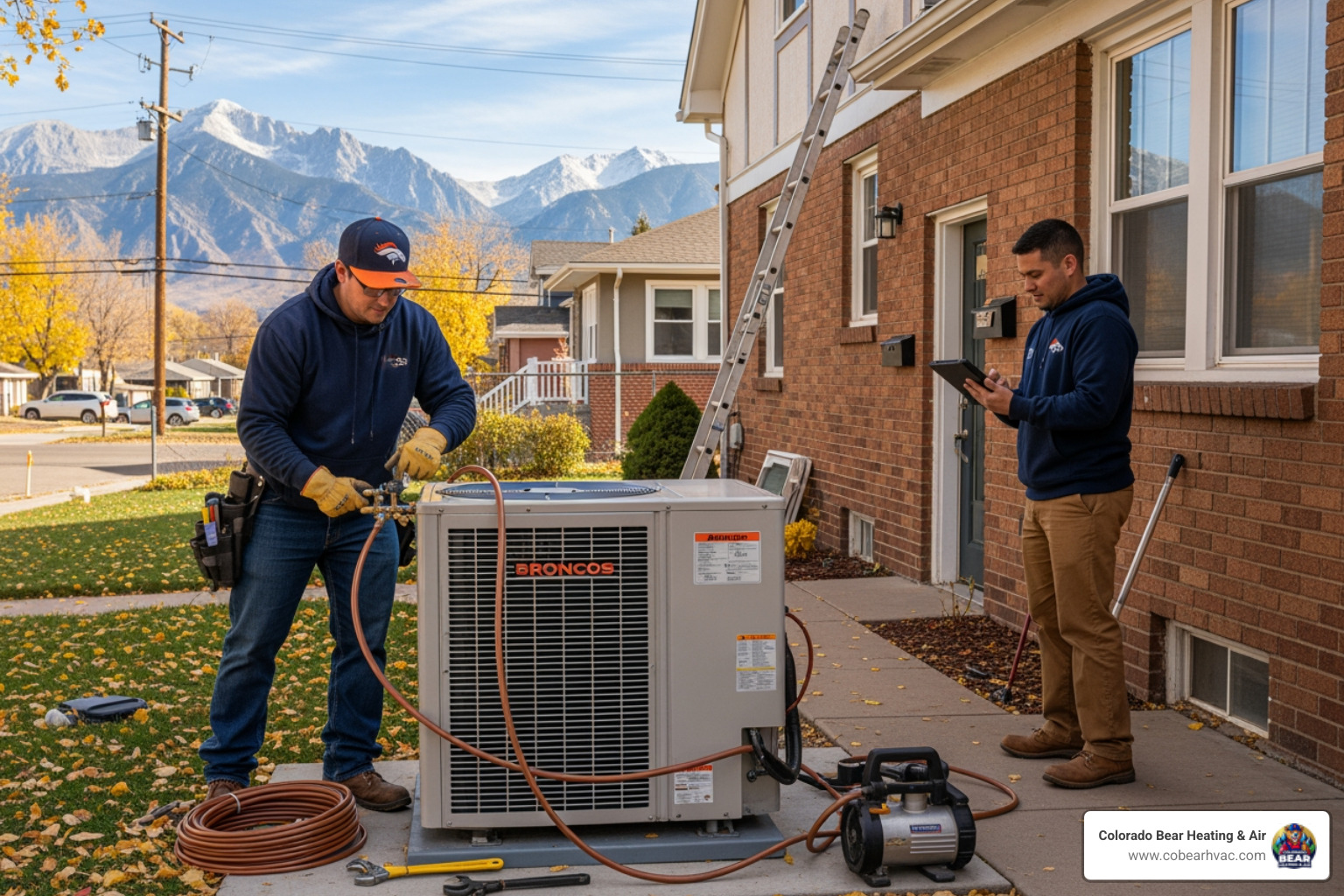
The installation of the outdoor unit is crucial; we ensure it’s placed in an optimal location, considering factors like noise levels (especially away from bedrooms) and ensuring it’s clear of obstructions that could impede airflow or defrost cycles. Inside your home, we carefully install the indoor unit, whether it’s an air handler for a ducted system or individual mini-split heads.
Connecting the electrical and refrigerant lines is a critical step that requires specialized expertise to ensure safety and proper system function. We also assess your electrical panel; if your home is older or you’re moving from a gas furnace, an electrical panel upgrade might be necessary to support the new system, which we can expertly handle. Once everything is connected, we thoroughly test and calibrate the entire system to ensure it’s running optimally and efficiently. Finally, we walk you through your new heat pump system, explaining its operation, thermostat functions, and basic maintenance tips to help you get the most out of your investment. To understand more about what happens during installation, read our guide on Understanding the Heat Pump Installation Process.
Maximizing Performance: Heat Pump Maintenance and Lifespan
Just like any high-performing appliance, your heat pump thrives on regular care and maintenance. Consistent attention ensures it operates efficiently, maintains its longevity, and continues to provide reliable comfort for years to come.
One of the simplest yet most effective maintenance tasks you can perform is regular filter cleaning or replacement. We recommend checking your air filters every 1-3 months and cleaning or replacing them as needed, especially during periods of heavy use. This ensures optimal airflow and system efficiency. Equally important is keeping the outdoor unit clear of debris. Leaves, dirt, snow, and even obstructions like leaking gutters can hinder its performance and defrost cycles. A quick check and clear-out can go a long way.
Beyond your efforts, professional tune-ups are indispensable. We strongly recommend biannual inspections–once before the cooling season in spring and once before the heating season in fall. During these visits, our technicians carefully check all components, clean coils, verify refrigerant levels, and ensure everything is running perfectly. This proactive approach helps identify minor issues before they escalate into costly repairs and ensures your system maintains its efficiency ratings. With proper maintenance, a heat pump system can typically last up to 15 years, providing you with consistent comfort and energy savings.
Keep an eye out for signs that indicate your heat pump might need repair or even replacement. Inconsistent temperatures throughout your home, strange noises coming from the unit, or a sudden increase in your energy bills are all red flags. If your system is struggling to switch modes, has poor airflow, or is running continuously without reaching your desired temperature, it’s time to call in the experts. Addressing these issues promptly can prevent further damage and restore your system’s performance.
Frequently Asked Questions about Heat Pumps
Can a heat pump effectively heat my home during a Denver winter?
Absolutely! Modern cold climate heat pumps are specifically engineered to perform exceptionally well in Denver’s chilly winters. These advanced systems can efficiently extract heat from outdoor air even when temperatures drop as low as -13 degrees F. This means they can handle the vast majority of our winter days with ease. For those rare, extremely cold snaps, a heat pump can be paired with a supplemental heating source or integrated into a dual-fuel system, ensuring your home stays warm and comfortable no matter how low the mercury goes. Many Denver homes can even rely solely on a cold climate heat pump without a backup heat source.
What should I look for in a contractor for my heat pump installation in denver co?
When choosing a contractor for your heat pump installation denver co, experience and expertise are key. Look for a licensed and insured company with extensive, verifiable experience specifically installing heat pumps in the Denver area. They should have a strong track record of positive customer reviews and be known for transparent communication. A reputable contractor will be knowledgeable about proper system sizing (using methods like Manual J load calculations), understand the nuances of cold climate heat pump technology, and be well-versed in local incentive programs. Our team is committed to prompt, reliable service and a perfectly sized, expertly installed system on every project.
How often does a heat pump need maintenance?
To ensure your heat pump operates efficiently and has a long lifespan, we recommend professional maintenance twice a year. Schedule one tune-up in the spring before the cooling season begins and another in the fall before the heating season. These biannual inspections allow our technicians to thoroughly check, clean, and calibrate your system, preventing potential breakdowns and maintaining peak performance. In addition to professional service, homeowners should clean or replace their air filters every 1-3 months, depending on usage and household conditions, to ensure optimal airflow and efficiency.
Upgrade Your Denver Home’s Comfort
Embracing heat pump installation denver co is more than just upgrading your HVAC system; it’s an investment in superior home comfort, significant energy savings, and a commitment to environmental sustainability. With a single, highly efficient unit, you’ll enjoy consistent temperatures year-round, reduced energy bills, and a smaller carbon footprint.
The key to open uping all these benefits lies in professional installation. Our team at Colorado Bear Heating & Air brings a customer-first approach, honesty, and transparent pricing to every project in the Denver Metro Area. We’re dedicated to providing prompt, reliable HVAC services that ensure your home remains comfortable through every season.
Ready to put your bids side by side? Our heat pump installation and replacement team in Denver will give you a measured, line-item quote to compare against any other — reach us at (720) 790-3765. We’re here to guide you through every step, from planning and system selection to expert installation and ongoing maintenance.