Keep Your Furnace Running: Winter Maintenance Tips for Colorado Homes
.jpg)
Colorado winters bring big temperature swings and the added strain of high altitude — both of which put extra wear on home heating systems. Proper furnace maintenance helps you stay warm, cut energy costs, and reduce safety risks like carbon monoxide exposure. This guide focuses on practical, local-first steps for homeowners in Denver Metro, Colorado Springs, and Castle Rock: a clear checklist of tasks you can do yourself, what a professional tune-up includes, and easy efficiency tweaks like thermostat schedules and airflow management. We also cover safety basics (detector placement, vent clearance) and lay out typical local costs so you can weigh preventive care against repair bills. Where useful, we note how Colorado Bear Heating & Air can help with membership plans, priority service, and financing to keep maintenance affordable and timely.
Why winter furnace maintenance matters in Colorado
Winter furnace maintenance means inspecting, cleaning, and tuning components so your system runs reliably through the cold months — especially important given Colorado’s elevation and temperature swings. Regular service reduces wear on parts like the blower motor and heat exchanger, lowering the chance of a mid-winter failure that can leave you without heat. It also restores proper airflow and combustion efficiency, which cuts fuel use and your monthly bills. Just as important, scheduled checks can spot safety problems — cracked heat exchangers or venting issues — before they become carbon monoxide hazards. Ready to act? Homeowners in the area can contact Colorado Bear Heating & Air at (720) 673-9888 to schedule preventive maintenance and reduce winter risk.
How regular maintenance prevents surprise furnace breakdowns
Routine maintenance catches small problems early so they don’t become emergency repairs. Technicians look for wear on key parts — blower motors, ignitors, belts, heat exchangers — tighten electrical connections, and replace worn components before they fail. You can also watch for warning signs like weak airflow, odd noises, or uneven temperatures; those are good reasons to call for service. Fixing issues early not only avoids expensive emergency replacements but also extends the life of your equipment by preventing overheating and stress damage.
How maintenance trims your energy bills in cold weather
Keeping burners clean, thermostats calibrated, and vents clear helps your furnace run more efficiently so it spends less time on and uses less fuel. Proper airflow and sealed ducts reduce blower workload, and clean filters support both efficiency and indoor air quality. Together, these improvements lower runtime and prevent short-cycling, which typically shows up as real savings on your energy bill over a heating season.
Top furnace maintenance checklist for winter
A simple winter checklist separates the easy homeowner tasks from the jobs best left to a professional. Homeowners should focus on visual checks, filter care, and keeping vents clear; technicians handle combustion, controls, and safety-device tests. Follow this list before and during winter to reduce breakdown risk and keep your home comfortable.
- Inspect the furnace area: Clear clutter, look for visible damage, and keep proper clearance around the unit for safe operation and airflow.
- Monitor and replace filters: Check monthly and change filters as needed based on household activity, pets, and the filter’s MERV rating to preserve airflow and indoor air quality.
- Test the thermostat: Confirm schedules, battery backup, and that the thermostat responds accurately to setpoint changes.
- Check vents and registers: Make sure supply and return vents are open and unobstructed to keep airflow balanced and prevent system strain.
- Schedule a professional tune-up: Have a technician inspect burners, the heat exchanger, ignition, and controls to catch problems early and optimize performance.
This list shows which items are homeowner-friendly and which are best handled by a pro. The table below summarizes how often to do each task and the benefits you’ll see.
Different maintenance tasks have different schedules and payoffs for homeowners; here’s a quick reference.
This table separates quick homeowner actions from services that justify a technician visit and sets the stage for the next sections on filters and tune-ups.
How often should you replace furnace filters for best efficiency?
Filter life depends on who lives in the house, how many pets you have, allergies, and the filter’s MERV rating. Check filters monthly — many homes replace standard disposable filters every 1–3 months. Higher-MERV filters trap more particles but can restrict airflow if left too long, so they need closer monitoring. Picking the right filter is a balance between indoor air quality and the blower motor’s ability to move air; when unsure, consult a professional to choose a filter that protects IAQ without hurting system performance. Regular filter care also keeps dust off the heat exchanger and fans, which helps energy efficiency and reduces technician visits.
What to expect from a professional furnace tune-up
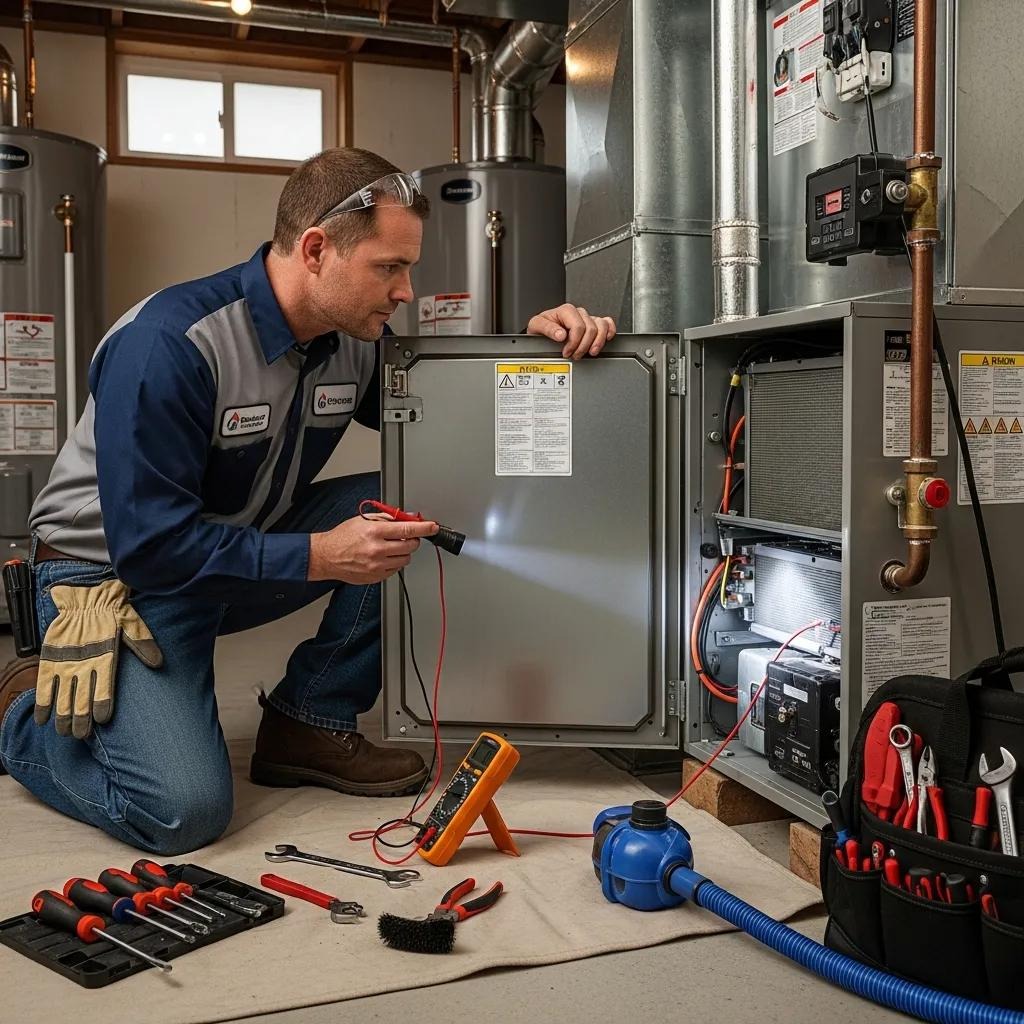
A professional tune-up usually includes a full system inspection, combustion and safety checks, component cleaning, and controls calibration for local conditions. Technicians inspect the heat exchanger for cracks, test ignition and safety switches, clean burner assemblies, lubricate motors where needed, and measure pressure and airflow to verify performance. These steps improve combustion efficiency, reduce the chance of carbon monoxide leaks, and flag parts that are near end-of-life before they fail. Booking an annual tune-up before winter protects comfort and safety — and Colorado Bear Heating & Air’s maintenance plans and Club Bear Membership make recurring service and reminders easier to manage.
How to optimize your furnace and HVAC system for winter efficiency
Optimizing your system for winter focuses on smarter controls, better air distribution, and reducing heat loss so your furnace works less to keep you comfortable. Key steps include programming thermostats for set-back schedules, balancing airflow between rooms, and sealing or insulating ducts in unconditioned spaces. Simple home improvements — weatherstripping doors or upgrading attic insulation — also reduce furnace load and can delay heavy service needs. These optimizations often deliver measurable savings in the first season and make regular maintenance more effective.
- Program a consistent setback schedule: Lower the temp during sleep and away times to cut runtime while keeping comfort when you need it.
- Balance vents and registers: Aim for even airflow; partially closing unused-room vents can help direct heat where people spend time.
- Inspect and seal ductwork: Fixing leaks and adding insulation in unconditioned spaces preserves warm-air delivery and reduces wasted energy.
These fixes are easy to start and typically show savings quickly, which leads to practical tips you can apply right away.
Effective furnace efficiency tips for cold weather
Small habits and routine care can lower your furnace workload without big investments. Keep filters clean, program thermostats thoughtfully, and use zone control strategies. Make sure supply registers aren’t blocked, run ceiling fans on low to move warm air, and close doors to unused rooms to concentrate heat where people are. Look for signs like soot, strange smells, or unusual sounds — they can indicate efficiency problems that need a pro. These everyday actions support the gains from tune-ups and duct work.
How thermostat optimization saves energy
Better thermostat settings reduce needless runtime by using precise schedules, gradual setbacks, and good sensor placement. Smart thermostats that learn or are controlled remotely let you lower temperatures when you’re away and bring the home back to comfort without wasting energy. Avoid putting the thermostat near drafts, direct sunlight, or kitchen heat sources so readings stay accurate. A well-calibrated thermostat amplifies the benefits of maintenance by ensuring the furnace runs only when needed.
What safety measures matter during furnace maintenance?
Good furnace maintenance focuses on detecting combustion and venting problems early, installing and testing carbon monoxide detectors, and making sure electrical and mechanical work is done by qualified technicians. Inspecting the heat exchanger for cracks, checking flue draft, and testing safety interlocks prevents dangerous conditions that can worsen during long heating seasons. CO detectors serve as a final safety layer, and regular professional inspections confirm that safety controls are functioning. These precautions should be part of any annual maintenance plan.
- Install carbon monoxide detectors on each level and near sleeping areas — test them monthly: Early alerts give you time to respond safely.
- Keep vents, returns, and combustion air intakes clear of obstructions like debris, furniture, or stored items: Proper airflow is essential for safe, efficient operation.
- Maintain proper clearance around combustion appliances and have flues and chimneys inspected yearly by a qualified technician: This prevents blockages and venting issues that can lead to hazards.
These quick safety checks are things homeowners can do before a technician arrives and explain why proactive safety checks belong in annual service plans.
Why carbon monoxide detectors are essential for winter heating safety
Carbon monoxide is odorless and colorless and can build up if a furnace isn’t venting properly or has a combustion problem. Detectors placed outside sleeping areas and on each floor alert you early so you can evacuate and call for help if needed. Test detectors monthly, replace batteries when required, and follow manufacturers’ replacement schedules. Including CO detector checks in annual tune-ups ensures the devices work and the furnace’s combustion safety is verified by a technician.
How clear vents and proper airflow prevent furnace hazards
Blocked vents and restricted airflow can cause higher internal temperatures, stress components, and increase the risk of incomplete combustion and backdrafting. That can lead to carbon monoxide accumulation. Keep returns and supply vents clear, change filters when needed, and have ducts checked for obstructions or leaks. Unobstructed airflow is a simple, effective step to reduce risk and complement professional inspections.
How Colorado Bear Heating & Air supports your winter maintenance needs
Colorado Bear Heating & Air serves Denver Metro, Colorado Springs, and Castle Rock with local HVAC expertise, offering tune-ups, safety checks, and membership plans to keep systems dependable during Colorado winters. We focus on clear pricing, fast response, and customer satisfaction, and we work with trusted manufacturers for repairs and replacements suited to local conditions. For homeowners who want predictable upkeep, the Club Bear Membership offers scheduled maintenance and priority service, while financing options — like 18 months same as cash — help spread costs for larger repairs or upgrades. These services turn the guidance in this article into practical, affordable plans that keep your system safe and efficient.
This comparison shows how membership and financing move maintenance from reactive to planned and highlights why many homeowners choose recurring plans for peace of mind.
Benefits of the Club Bear Membership maintenance plan
Club Bear Membership includes scheduled maintenance visits, priority service during busy seasons, and discounts on repairs. Those features lower the chance of emergency breakdowns and spread maintenance costs across the year. Members get reminders and easier booking, which is valuable when demand spikes in winter. For many homeowners, membership reduces stress and total cost of ownership by catching small problems early so they don’t turn into big repairs.
How flexible financing makes furnace maintenance more accessible
Financing options let homeowners address needed maintenance or repairs without a large upfront payment. Offers like 18 months same as cash remove a common barrier to timely service, enabling necessary tune-ups, part replacements, or upgrades that preserve comfort and safety. Talking through financing with your service provider helps you pick terms that match the project and urgency, keeping systems in safe, efficient operation.
Preventative maintenance vs. repair costs locally
Preventative maintenance is a relatively small annual expense compared with common mid-winter repairs or part replacements, so tune-ups often pay for themselves by avoiding emergency calls and premature failures. For example, fixing a minor blower issue during a tune-up can prevent full motor burnout and replacement costs. Scheduled service also reduces the odds of overnight emergencies that carry premium fees. Thee trade-offs make a strong case for regular inspections instead of waiting for a breakdown.
Expected energy savings from regular furnace care
Most homeowners see modest but meaningful savings from regular furnace care — often in the 5–15% range — depending on furnace age, home insulation, thermostat habits, and local climate. Older or poorly maintained systems typically show larger gains after a tune-up, while newer systems may see smaller improvements. A professional assessment can estimate savings based on your home size, envelope tightness, and equipment condition to help forecast payback from tune-ups or upgrades.
Ready to keep your furnace running smoothly this winter?
Don’t wait for a breakdown to interrupt your comfort. Schedule professional furnace maintenance with Colorado Bear Heating & Air to keep your home safe and efficient all season. Our technicians provide thorough inspections, tune-ups, and local advice tailored to Colorado’s climate. Call us at (720) 673-9888 or visit our schedule service to book an appointment and enjoy worry-free warmth this winter.