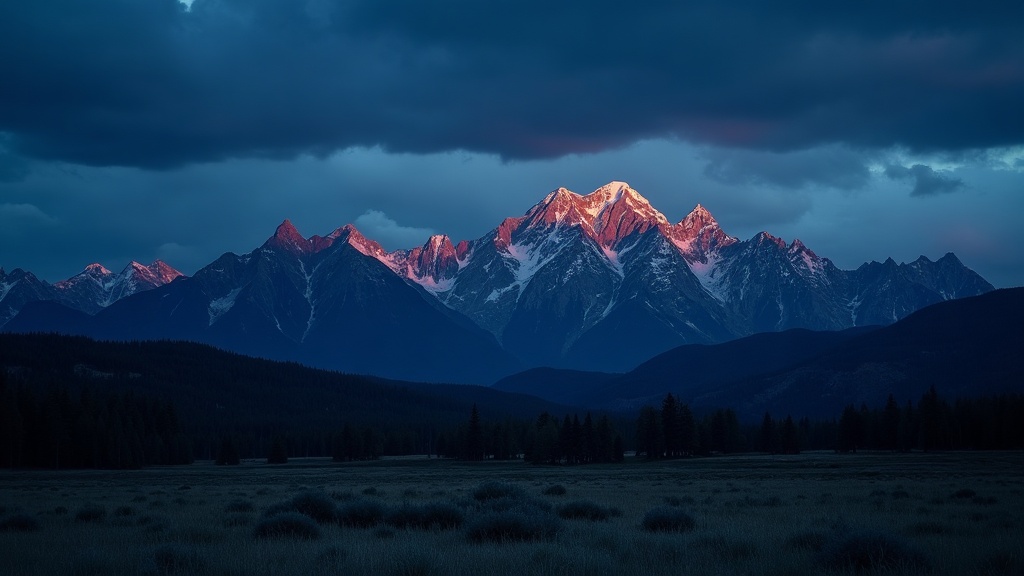
Why Altitude Drives Up Your Home's Energy Bills in Colorado
How does altitude affect your heating and cooling costs is one of the most important questions Colorado homeowners can ask — and the short answer is: significantly. The higher you live above sea level, the harder your HVAC system works, and the more energy it burns to keep you comfortable.
Here is a quick summary of how elevation impacts your home's energy use:
- Furnace efficiency drops by roughly 4% for every 1,000 feet above sea level
- Air conditioners lose about 3% of their cooling capacity per 1,000 feet of elevation gain
- Thinner air means less oxygen, which disrupts combustion in gas furnaces and forces longer run times
- Fan airflow shrinks — a fan moving 90,000 pounds of air per hour at sea level only moves around 72,000 pounds at 6,000 feet
- Dry mountain air makes your home feel colder and forces heating systems to run even more
- Space heating alone accounts for 54% of the average Colorado home's total energy expenses
In cities like Denver (5,280 feet), Colorado Springs, and Castle Rock, these effects are not minor inconveniences — they translate directly into higher monthly utility bills and more wear on your equipment.
At Colorado Bear Heating & Air, we serve homeowners across the Denver Metro and Castle Rock areas every day, and altitude-related HVAC strain is one of the most common root causes behind the comfort complaints and rising energy bills we hear about. This guide walks you through exactly what is happening to your system at elevation, and what you can do about it.

How Does Altitude Affect Your Heating and Cooling Costs?
Living in the Colorado Front Range means enjoying breathtaking views and crisp mountain air, but that "thin" air is the primary culprit behind your energy bill fluctuations. At sea level, air is dense and heavy, packed with the oxygen and moisture needed for efficient HVAC operation. As we climb toward the Mile High City and beyond to communities like Castle Pines or Larkspur, the air pressure drops significantly.
This drop in air pressure changes the physics of how your home stays comfortable. Because the air is less dense, it cannot carry heat as effectively as it does at sea level. Your HVAC system relies on "mass flow"—the actual weight of the air moving through your ducts—to transfer warmth or coolness. When the air is thinner, there are fewer molecules to grab onto that energy and move it into your living room.
The result is increased system strain. To achieve the same temperature setting you might enjoy in a coastal city, a Colorado home's system must run longer and circulate air more frequently. This extra runtime leads to higher electricity and gas consumption. Furthermore, the extreme temperature swings we experience in the mountains—sometimes 40 degrees in a single day—force systems to cycle on and off rapidly, which is less efficient than steady operation. To help combat these summer spikes, we often recommend following Summer Energy Saving Tips For Colorado.
HVAC Performance Comparison: Sea Level vs. 5,000 Feet
| Performance Metric | Sea Level (0 ft) | Mile High (5,000 ft) | Impact at Altitude |
|---|---|---|---|
| Air Density | 100% | ~82% | 18% less air mass |
| Furnace Output | 100% Capacity | ~80% Capacity | 20% loss without "derating" |
| AC Cooling Capacity | 100% Capacity | ~85% Capacity | 15% reduction in heat removal |
| Oxygen for Combustion | Optimal | Reduced | Risk of incomplete burn |
| Fan Effectiveness | 90,000 lbs/hr | 73,800 lbs/hr | Motor works harder for less flow |
The Impact of Thinner Air on Furnace Efficiency and Heating Bills
In the Denver Metro area, heating is our biggest energy expense. Most furnaces are designed and tested at sea level, where oxygen is plentiful. When these units are installed at 5,000 feet or higher, the combustion process is naturally disrupted.
A gas furnace requires a specific "fuel-to-air ratio" to burn cleanly. With less oxygen available in the mountain air, the mixture becomes "rich," meaning there is too much fuel and not enough oxygen. This leads to incomplete combustion, which not only wastes fuel but also increases the risk of carbon monoxide production and soot buildup.
To maintain safety and efficiency, furnaces at altitude must undergo a process called "derating." This involves adjusting the gas pressure and burner settings so the furnace burns less fuel to match the available oxygen. While this makes the system safer and prevents it from "overheating" its own heat exchanger, it also means the unit produces less heat than its label suggests. If you are curious about how specific brands handle these challenges, you can read about How Daikin Systems Perform In Colorado Climate.
Why low oxygen levels increase how altitude affects your heating and cooling costs
The lack of oxygen triggers a domino effect on your utility bills. Because the furnace is producing about 4% less heat for every 1,000 feet of elevation, a 100,000 BTU furnace in a town like Monument or Elizabeth is effectively only an 80,000 BTU furnace.
- Incomplete Combustion: Without professional adjustment, your furnace burns gas inefficiently, sending unburned energy (and money) right up the flue.
- Longer Run Times: Because the air is thin and the heat output is lower, the system stays on much longer to reach your thermostat's set point.
- High-Altitude Kits: Most modern furnaces require specialized "high-altitude kits." These kits include specific burner orifices and pressure switches that allow the unit to "breathe" correctly in our environment.
- Component Wear: Longer run times mean the blower motor and igniters reach the end of their lifespan sooner, leading to more frequent repairs.
Why Air Conditioners Struggle at Higher Elevations
It is a common myth that air conditioners only care about the temperature outside. In reality, they care deeply about air density. An AC unit works by removing heat from your indoor air and releasing it outside via the condenser coils.
In a high-altitude environment like Parker or Castle Rock, the thinner air is a poor conductor of heat. This makes the heat exchange process much less efficient. The refrigerant inside your AC lines relies on the air blowing over the coils to absorb and release energy. When that air is thin, the refrigerant doesn't "offload" heat as quickly, causing the compressor to work at higher pressures and temperatures. This is why many homeowners notice their AC seems to "struggle" on those 90-degree July afternoons. For those looking to keep costs down, we have compiled a guide on How To Lower Ac Bills During Colorado Summer.
Capacity loss and how altitude affects your heating and cooling costs in summer
The math for cooling at altitude is just as tough as it is for heating. For every 1,000 feet you climb, your air conditioner loses roughly 3% of its cooling capacity. In a city at 6,000 feet, your 3-ton AC unit is essentially performing like a 2.5-ton unit.
- Airflow Volume vs. Mass: Your fan might be spinning at the same speed, but it is moving less "stuff." A fan moving 90,000 pounds of air at sea level only moves 72,000 pounds at 6,000 feet. This reduced mass flow means less cooling is delivered to your rooms.
- Compressor Stress: To compensate for the poor heat transfer, the compressor runs longer and harder, drawing more electricity and increasing your monthly bill.
- Variable-Speed Benefits: Systems with variable-speed motors are much better at handling altitude. They can ramp up their fan speed to move more of that thin air when needed, maintaining comfort without the "all-or-nothing" energy spike of older models.
Mitigating High-Altitude Expenses with Specialized HVAC Solutions
While the physics of altitude are working against you, modern technology offers several ways to fight back. Investing in the right equipment can significantly reduce how does altitude affect your heating and cooling costs.
One of the most effective solutions is the use of variable-speed technology. Unlike traditional systems that are either "on" or "off," variable-speed motors can adjust their output in tiny increments. This allows the system to run at a lower, more efficient speed for longer periods, which is perfect for the thin, dry air of the Front Range.
We also see great success with "two-stage" heating. A two-stage furnace can run on a lower setting for the majority of the time, only kicking into high gear during a true Colorado blizzard. For those looking for the ultimate in efficiency, cold-climate heat pumps have become a game-changer. These systems are engineered to extract heat from the air even when it is well below freezing, and they don't suffer from the same combustion issues as gas furnaces. When it comes to equipment, Choosing The Right Hvac Brand For Colorado is a critical first step.
The role of humidity and air sealing in cost reduction
In the Denver area, altitude and dryness go hand-in-hand. This affects your wallet more than you might think. Dry air does not hold heat well. If your home's humidity is too low, the air will feel colder than it actually is, tempting you to turn the thermostat up.
- Whole-Home Humidifiers: By adding a whole-home humidifier, you can make 68 degrees feel like 72 degrees. This allows you to keep the thermostat lower, reducing the workload on your furnace.
- Air Sealing and Insulation: Because our air is thin, any heat you do generate is precious. Air sealing around windows and doors, combined with high-quality attic insulation, creates a "thermal envelope" that keeps the heat inside.
- Zoning Systems: In multi-story homes in places like Highlands Ranch or Centennial, heat naturally rises. Zoning allows you to heat or cool only the rooms you are using, preventing the system from overworking to satisfy a single thermostat in a drafty hallway.
To learn more about the specific technologies that help, check out our guide on Understanding Daikin Hvac Systems And Benefits.
Frequently Asked Questions about Altitude and HVAC
Does my furnace need to be adjusted for Denver's altitude?
Yes, absolutely. Most furnaces are factory-set for elevations below 2,000 feet. If you live in Denver, Littleton, or Aurora, your furnace likely needs a "high-altitude conversion kit." This involves changing the burner orifices (the small brass parts that let gas into the burners) and adjusting the gas valve pressure. Without these adjustments, the system will burn "dirty," potentially damaging the heat exchanger and increasing your risk of carbon monoxide leaks.
Why is my AC running constantly in the Colorado summer?
If your AC seems to run all afternoon without ever reaching the set temperature, altitude is likely the reason. The thinner air is simply not carrying enough heat away from your home. This is often exacerbated by "dirty" condenser coils. In our dusty mountain environment, even a thin layer of dust on your outdoor unit acts like a blanket, further insulating the heat you're trying to get rid of. Regular maintenance is key to keeping those run times down.
Can high-efficiency equipment offset altitude performance losses?
Yes. While every system loses some capacity at altitude, a high-efficiency unit (90% AFUE or higher) starts from a much better baseline. Features like modulating gas valves and high SEER2 ratings are designed to wring every possible bit of energy out of the fuel or electricity they use. While an old 70% efficient furnace might drop to effectively 55% at altitude, a 96% efficient unit will still outperform it by a massive margin. Plus, you can often find ways How To Apply For Energy Rebates In Colorado to help make these upgrades more accessible.
Conclusion
Understanding how does altitude affect your heating and cooling costs is the first step toward taking control of your home's comfort and your monthly budget. From the Mile High streets of Denver to the elevated peaks of Castle Rock and Sedalia, our geography demands more from our HVAC systems than almost anywhere else in the country.
At Colorado Bear Heating & Air, we have spent over 20 years mastering the unique challenges of Front Range HVAC. We don't believe in "one-size-fits-all" solutions because we know that a home in Lone Tree has different needs than one in Franktown. Our team of licensed, factory-certified technicians specializes in high-altitude calibrations, high-efficiency installations, and the honest, transparent service our neighbors deserve.
Whether you are struggling with rising utility bills, uneven temperatures, or a system that just can't seem to keep up with the Colorado seasons, we are here to help. We pride ourselves on "honest work done right the first time," ensuring your family stays warm through the winter and cool through the summer.
Don't let the altitude drive your energy bills sky-high. For more tips on staying efficient, see our guide on How To Lower Ac Bills During Colorado Summer.
Ready to optimize your home for high-altitude comfort? Contact Colorado Bear Heating & Air today to learn more about our specialized HVAC solutions!
Latest blogs
Apply now for flexible payment options
Get a decision in seconds with no impact to your credit score.


Testimonials
Service Areas
If you’re in Colorado Springs, The Mountains, or nearby areas, call us to confirm availability for installations.
.avif)


.avif)
.avif)
.avif)