Latest Blogs
Stay updated with our latest blog posts.



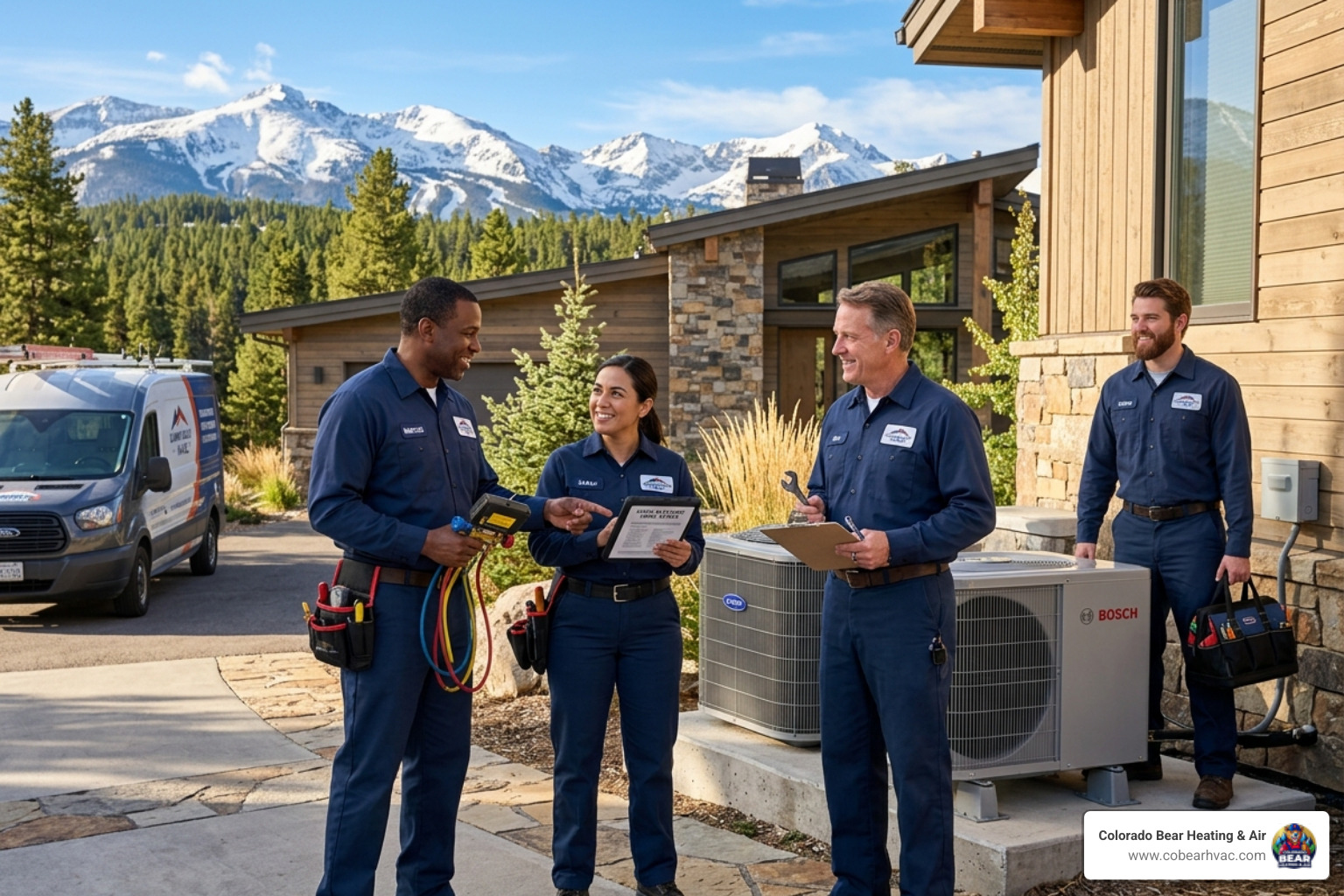
How colorado dry heat affects your cooling system comes down to two forces working against your AC at the same time: thinner air at high altitude and extremely low humidity. Here's a quick breakdown:
Most homeowners in the Denver Metro and Castle Rock areas notice their AC running almost constantly on hot days, even when the thermostat seems set right. That's not a coincidence. Your system is fighting physics every time it runs.
Colorado's Front Range sits at elevations where standard AC equipment was never designed to perform at its best. Add in humidity that can drop below 15% in summer — drier than the Sahara Desert's average — and you have conditions that stress every component from the compressor to the rubber seals around your refrigerant lines.
The good news is that understanding exactly what's happening inside your system makes it much easier to fix, and to prevent the most costly breakdowns before they happen.
When we talk about how colorado dry heat affects your cooling system, we have to look at the unique "benefit" of our climate first: low humidity. In many parts of the country, air conditioning is primarily about dehumidification. In places like Castle Rock or Parker, our air is already so dry that your AC doesn't have to spend energy wringing water out of the air.
However, this dry heat is a double-edged sword. While low humidity makes evaporative cooling (swamp coolers) incredibly effective—often dropping temperatures by 20-30 degrees when humidity is below 30%—it creates a massive challenge for traditional central air systems.
Traditional AC relies on "heat rejection." The system absorbs heat from inside your home and dumps it outside. Because our air is thinner and drier, it doesn't hold or move heat as efficiently as heavy, moist sea-level air. This means your outdoor condenser has to work much harder to "push" that heat into the atmosphere. Without proper care, this extra work leads to premature wear. Understanding the AC Maintenance Key Benefits is the first step in ensuring your system survives these high-altitude demands.
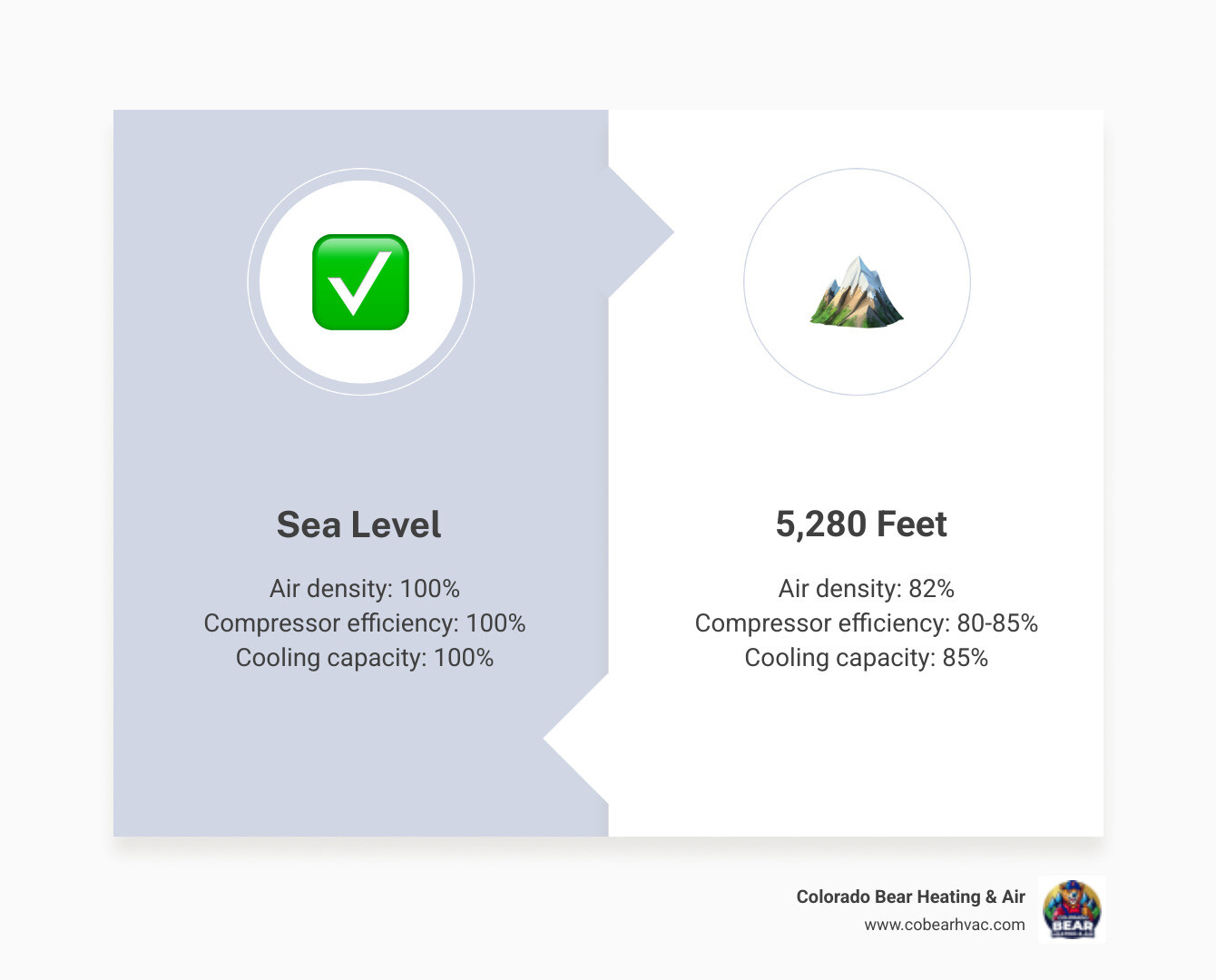
| Performance Metric | Sea Level (0 ft) | Mile High (5,280 ft) | High Mountain (7,000 ft) |
|---|---|---|---|
| Air Density | 100% | 82% | ~75% |
| Compressor Efficiency | 100% | 80-85% | 70-75% |
| Cooling Capacity | 100% | 85-90% | 80-85% |
| Heat Transfer Ability | High | Moderate/Low | Low |
Physics is a bit of a bully when you live at 5,000 feet or higher. Because the air is less dense, there are fewer molecules available to carry heat away from your AC coils. Think of it like trying to put out a campfire with a spray bottle instead of a garden hose; you eventually get the job done, but it takes a lot more effort and time.
In Denver and surrounding areas like Littleton and Highlands Ranch, your system is essentially operating at 82% capacity compared to a home in Florida. This thinner air causes the fan motors to move less "mass," which can actually cause them to spin differently than intended, often leading to overheating. This is a primary reason why an AC Fan Motor Needs Professional Attention if you notice any changes in sound or performance.
Refrigerant is the lifeblood of your cooling system, but it behaves differently under the lower atmospheric pressure found in high-altitude areas like Monument or Elizabeth. As the pressure drops, the boiling point of the refrigerant changes.
If a system is charged and calibrated using sea-level standards, it will likely underperform in Colorado. We often see systems that are technically "full" of refrigerant but aren't cooling effectively because the pressures haven't been adjusted for our specific elevation. This mismatch can lead to the evaporator coil freezing up or the compressor overheating. Knowing How to Tell When Need AC Repair is vital when your system starts acting up due to these pressure imbalances.
The compressor is the heart of your AC, and at high altitudes, it’s basically running a marathon in hiking boots. Because the air is thinner, the compressor has to work harder to achieve the necessary pressure compression to move heat.
As we noted in our research, at 5,000 feet, efficiency drops significantly. By the time you get to 7,000 feet in areas like Larkspur or parts of Castle Pines, that efficiency can plummet to 70%. This isn't just a technical stat; it shows up on your energy bill. If your unit is constantly struggling to keep up, it might be one of the Top 5 Reasons That Your AC is Always Running.
Colorado’s dry heat doesn't just affect how the air moves; it physically degrades the components of your system. In more humid climates, rubber stays supple. In our semi-arid environment, rubber seals, gaskets, and even the insulation on wiring can become brittle and crack.
Once a seal cracks, you lose refrigerant. Once the insulation on a wire cracks, you get an electrical short. Furthermore, the dry soil in the Denver Metro area leads to high levels of "micro-dust." This dust is finer than what you find in the Midwest and can bypass standard filters, coating your indoor evaporator coil in a layer of gray "felt" that chokes off airflow. These are among the most Common AC Airflow Problems we encounter during the peak of July.
The best defense against our "thirsty" air is proactive lubrication and filtration. Moving parts in your blower motor and outdoor fan need to be checked regularly because the dry air can actually cause lubricants to break down or evaporate faster than expected.
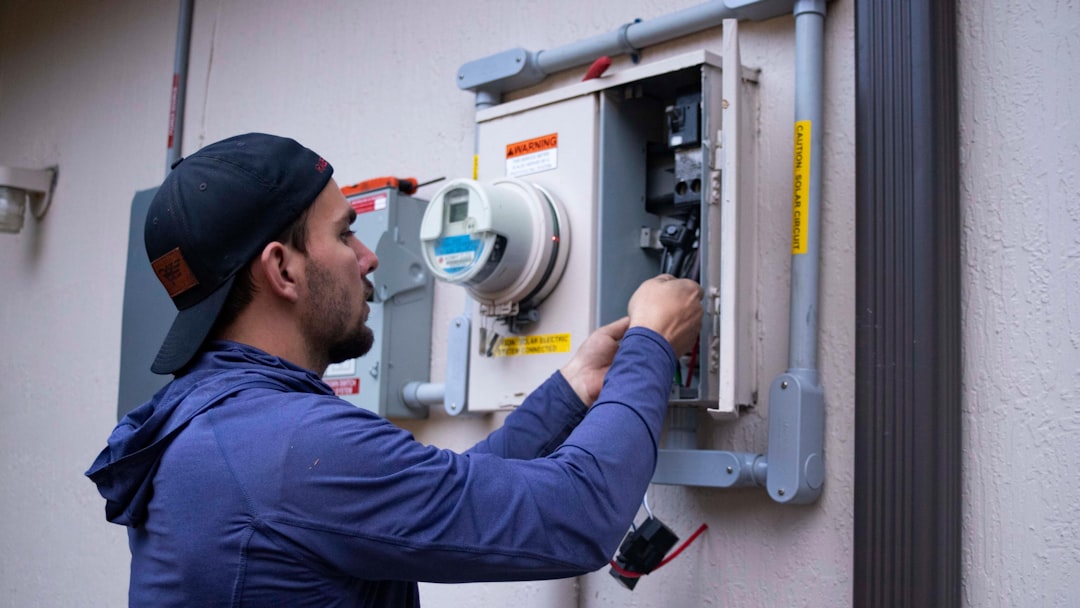
Static electricity is another hidden enemy. Dry air is a poor conductor, which allows static charges to build up as air moves through your ducts. This static can actually "zap" sensitive circuit boards in modern, high-efficiency AC units. One of the simplest things you can do is follow a strict AC Filter Replacement Guide for Homeowners to keep dust levels low and airflow consistent.
While we specialize in central air and ductless systems, we have to give credit where it's due: Colorado is the perfect environment for evaporative cooling (often called swamp coolers). Because our humidity can drop below 20%, these systems can use 75-80% less energy than central air.
They work by pulling hot, dry air through water-soaked pads. The water evaporates, which naturally pulls heat out of the air. It’s the same reason you feel chilled when you step out of a swimming pool in a breeze. However, these systems aren't for everyone—they require open windows and add a lot of moisture to the home, which can be a problem for those with allergies or expensive wood furniture. If you find your home has hot and cold spots, you might need an Uneven Cooling Fix Castle Rock to balance the air distribution, regardless of which system you use.
To truly master how colorado dry heat affects your cooling system, you have to look beyond standard "out of the box" settings. We recommend a few specific upgrades for homes in the Denver Metro area:
Implementing Preventive AC Maintenance Tips like these can extend the life of your system by years.
In April 2026, we are seeing more homeowners than ever realize that cooling is only half the battle. Comfort in Colorado requires managing humidity. While the AC is running, it naturally removes some moisture. In an already dry climate, this can leave your indoor air at 10% humidity or lower—drier than a desert.
This causes dry skin, bloody noses, and static shocks. By installing a whole-home humidifier that works in tandem with your AC, you can maintain a comfortable 30-45% humidity level. This actually makes the air feel cooler, allowing you to set your thermostat a few degrees higher and save money. If you're struggling with Uneven Cooling Highlands Ranch, the issue might actually be the moisture balance in different zones of your home.
Maintenance in Colorado isn't the same as maintenance in Kansas or Texas. Because of our intense sun (which delivers 25% more UV radiation at this altitude) and the thin air, a "standard" tune-up isn't enough.
A high-altitude service must include:
We emphasize that Timely AC Service Crucial Optimal Performance is the difference between a system that lasts 10 years and one that lasts 20. For our neighbors in the south metro area, our AC Maintenance Castle Rock CO Guide provides a localized checklist for keeping your system in peak condition.
Whistling is usually a sign of an airflow restriction. In dry climates, this is often caused by a "loaded" filter or a return vent that is too small for the thinner air. Because the air is less dense, it has to move faster to provide the same cooling, which can create that high-pitched sound. Check out our guide on Why My AC Making Whistling Sound for more details.
In the Denver Metro area, we recommend checking your filters every 30 days. Our dry, windy summers—combined with nearby construction and wildfire smoke—can clog a "90-day" filter in less than a month. Use our AC Service Checklist Summer to stay on top of these tasks.
Unfortunately, yes—if it isn't properly maintained. The 15-20% extra strain on the compressor and the drying effect on seals means that a neglected system in Colorado will fail much faster than one at sea level. However, with professional calibration and regular cleanings, you can easily reach the 15-20 year mark.
Living on the Front Range means enjoying 300 days of sunshine and crisp mountain air, but it also means asking a lot from your home's mechanical systems. Understanding how colorado dry heat affects your cooling system is the first step toward a more comfortable, energy-efficient home. Whether you are in Castle Rock, Centennial, or Aurora, the challenges of high altitude and low humidity are real, but they are manageable with the right expertise.
At Colorado Bear Heating & Air, we bring over 20 years of experience to every home we visit. We understand the "Mile High" difference and specialize in the honest, transparent work required to keep your AC running smoothly through the hottest July days. We don't believe in high-pressure sales—just high-quality service tailored to our unique Colorado climate.
Don't let the thin air thin out your wallet with high energy bills and unexpected repairs. Request professional air conditioning service today and let us ensure your system is calibrated for the altitude and ready for the heat.

Get a decision in seconds with no impact to your credit score.


Colorado Bear HVAC is truly the best contractors I have experienced since I moved into my house 30 years ago. I have been dealing with Joe and his crew for over 11 years now. They are a trustworthy, respectful, experienced crew who works with you and gives you a fair value. They just completed a big job replacing my A/C, gas furnace and condenser. They did an excellent job, no short cuts, made sure everything was functional, and cleaned up the area nicely before they left. No pressure to perform unnecessary service. You know when the job is done, you have received top notch professional service at a fair price.


I used Colorado Bear Heating and Air to replace two furnaces in my home. Nate was exceptional to work with. His team did a great job educating me along the way. He provided competitive pricing with 10 year warranties. They installed quickly and were just super great to work with. I’d highly recommend them.

Nate and Sam have been great to work with getting my home humidifier installed in a difficult space in my 1940s house. Their prices were very fair and I would heartily recommend Colorado Bear to anyone looking for a solid HVAC company.
.avif)
Thank you Nate for the promptness you guys gave my parent. They are 93 and can't get around and always getting cold, and I was at work called Nate and he had one of his guys there in like 2 hours which was outstanding my dad was very impressed with the professional and how quick he had it fixed. These guys are great all my family said we found us a new heating and ac company. Colorado Bear Heating & Air you have customers for life!!!! Thank You Again
Carla and the Barnes Family
.avif)
Colorado Bear Heating & Air saved the day! This morning my family and I woke up to frigid outside temperatures(1 degree F)…and no heat! Nate was great over the phone to help me check our furnace, then he sent Sam over to help get us back to warmer temps. They were so quick and helpful. Fortunately I did not have to keep my toddlers inside the house wearing snow suits all day. We are warm now, and so thankful!
.avif)

If you’re in Colorado Springs, The Mountains, or nearby areas, call us to confirm availability for installations.
.avif)