Latest Blogs
Stay updated with our latest blog posts.



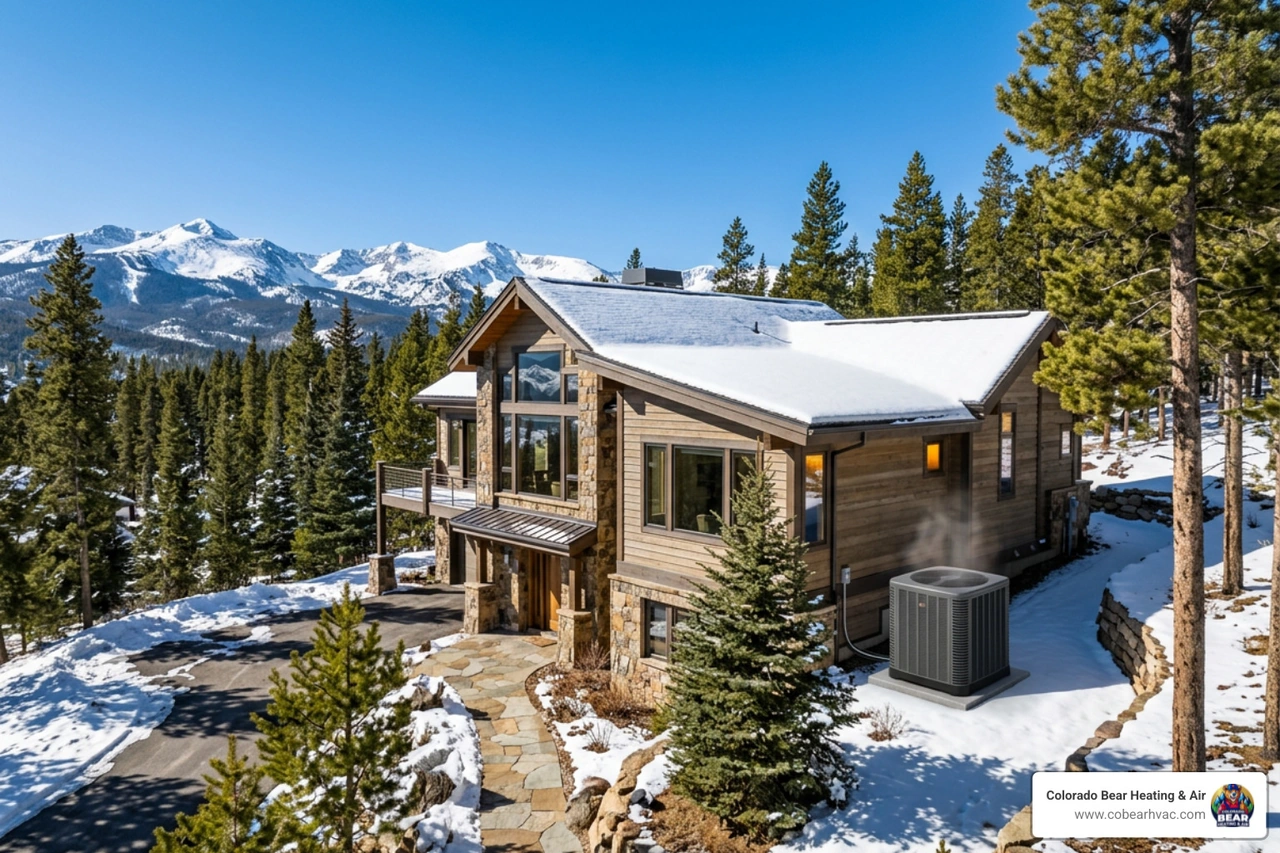
Finding the best air filter for homes at altitude is not as simple as grabbing whatever is on the shelf at your local hardware store. If you live in the Denver Metro, Castle Rock, or anywhere along Colorado's Front Range, the air inside your home faces a unique set of challenges that most standard filter recommendations simply don't account for.
Quick Answer: Best Air Filters for High-Altitude Homes
| Filter Type | MERV Rating | Best For |
|---|---|---|
| Pleated HVAC filter | MERV 8-11 | Most high-altitude homes, good airflow balance |
| Pleated HVAC filter | MERV 12-13 | Allergy sufferers, wildfire smoke, pets |
| MERV 13 + activated carbon | MERV 13 | VOCs, odors, smoke, and fine particles |
| True HEPA air purifier | Equivalent MERV 17+ | Standalone room purification, asthma support |
The short version: For most Colorado homes above 5,000 feet, a pleated filter rated MERV 8 to 13 strikes the right balance between capturing harmful particles and keeping airflow strong enough for your HVAC system to work properly. Pair it with a standalone air purifier for best results.
Here is the longer picture. Colorado sits at high elevation — Denver alone sits at 5,280 feet above sea level. At that height, atmospheric pressure is roughly 15% lower than at sea level. That single fact changes everything about how your HVAC system breathes, how quickly your filters clog, and what kinds of pollutants you are actually dealing with indoors.
For years, mountain living has carried a reputation for clean, crisp air. And in some ways, that reputation is earned. But the American Lung Association ranked Denver as the 14th most ozone-polluted city in the United States as recently as 2018. Thinner air causes vehicles to burn fuel less completely, releasing more carbon monoxide and hydrocarbons. Stronger ultraviolet radiation at altitude speeds up the formation of photochemical smog. And when geography and weather conditions combine to create temperature inversions — where a layer of warm air traps cooler, polluted air near the ground — that smog has nowhere to go.
The result is that high-altitude homeowners are not just dealing with a little extra dust. They are managing a genuinely different air quality environment, one that calls for thoughtful filter selection and a more active maintenance routine.
This guide breaks down exactly what you need to know to protect your home's air — and your HVAC system — at elevation.
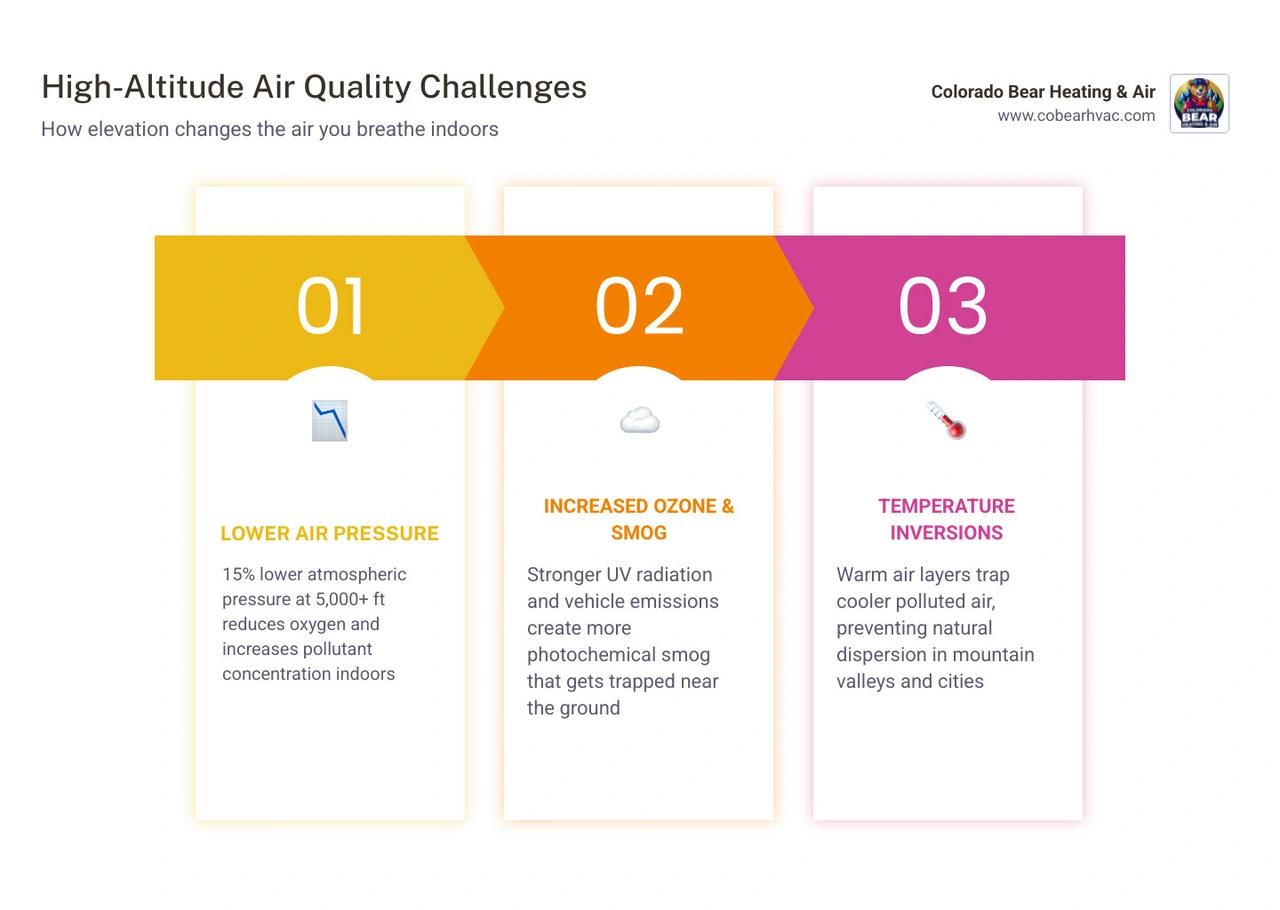
To understand why choosing the best air filter for homes at altitude is so critical, we first have to look at the unique atmospheric chemistry of the Front Range. Living in high-altitude cities like Denver, Parker, or Aurora means living in "thinner" air. Because the atmospheric pressure is roughly 15% lower at 5,000 feet than it is at sea level, there are simply fewer air molecules in any given volume of space.
This reduction in barometric pressure directly impacts combustion engines. When vehicles drive through our high-altitude neighborhoods, their engines struggle to pull in enough oxygen to burn fuel completely. This incomplete combustion leads to elevated emissions of hydrocarbons, nitrogen oxides, and carbon monoxide.
At the same time, our elevation brings us closer to the sun, exposing our air to more intense ultraviolet (UV) radiation. When intense UV light hits those vehicle emissions, it triggers a rapid chemical reaction that creates ground-level ozone and photochemical smog. This is why a city nestled against the beautiful Rocky Mountains can regularly struggle with hazy, air pollution days.
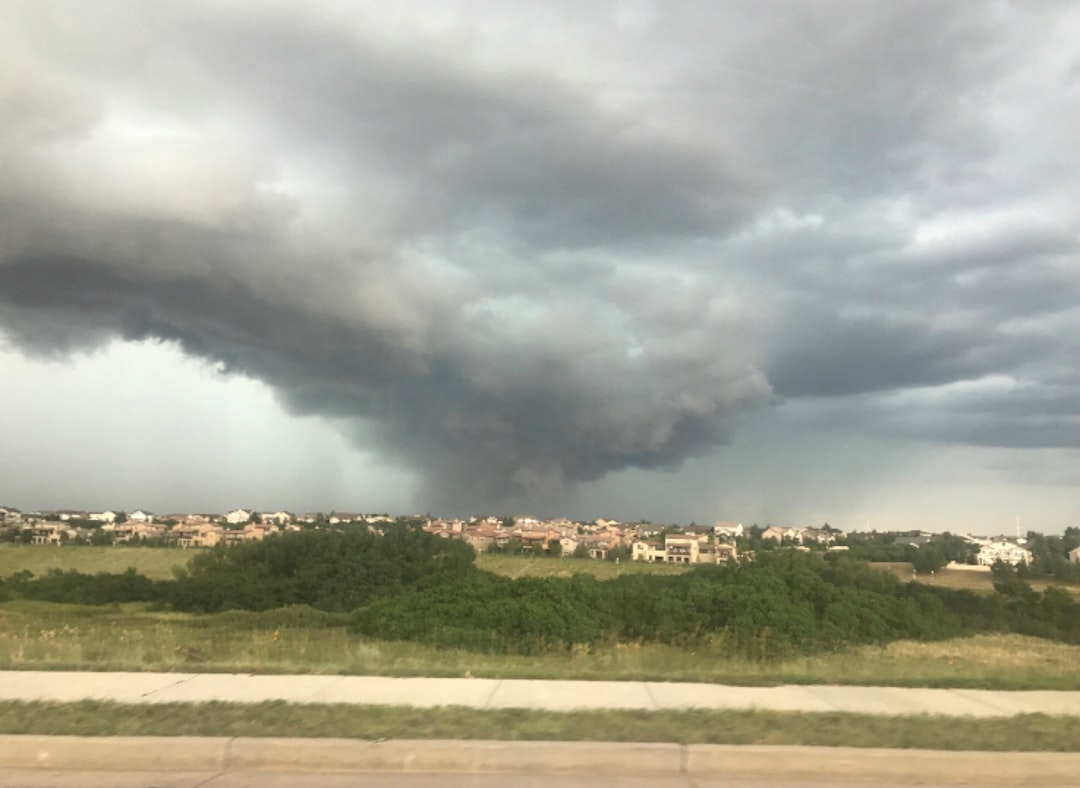
Geography also plays a massive role. In valleys and basins throughout the Denver Metro Area, we frequently experience temperature inversions. Normally, warm air near the ground rises and disperses pollutants into the upper atmosphere. During an inversion, however, a lid of warm air settles over a layer of cold air trapped near the valley floor. This atmospheric lid locks vehicle exhaust, wood smoke, and industrial emissions in place, forcing us to breathe highly concentrated particulate matter.
This outdoor pollution doesn't stay outside. It migrates into our living spaces, settling in our carpets, furniture, and lungs. Furthermore, nitrogen pollution from this smog doesn't just cloud our views; it settles into our alpine ecosystems, causing soil acidification and altering plant growth across the Front Range. Understanding these regional factors is key to realizing Why Your Indoor Air Quality Matters and why standard, low-efficiency filters simply won't cut it.
Thinner air doesn't just change outdoor air chemistry; it fundamentally alters how your home’s heating and cooling systems operate. Because high-altitude air is less dense, your HVAC system has to work significantly harder to achieve the same results as a system running at sea level.
First, consider air density and fan performance. A standard blower fan is designed to move a certain volume of air (measured in Cubic Feet per Minute, or CFM). However, because the air at altitude contains fewer molecules, the actual mass of the air being moved is lower. This reduces the heat transfer efficiency of your system. In the summer, your air conditioner’s evaporator coils have a harder time transferring indoor heat to the refrigerant. In the winter, your furnace has less air mass to carry heat from the heat exchanger into your living rooms.
Second, the lower oxygen levels at altitude directly impact furnace combustion. Furnaces require a precise mixture of fuel and oxygen to burn cleanly. Without specialized high-altitude calibration, standard furnaces can suffer from incomplete combustion. This leads to reduced heating efficiency, increased fuel consumption, soot buildup, and a higher risk of dangerous carbon monoxide leaks. To learn more about this, explore How High Altitude Affects Furnace Combustion and see how elevation changes the physics of heating.
Because your system is already operating under these thin-air constraints, any additional strain can push it over the edge. This is where filtration becomes a delicate balancing act. A high-efficiency filter traps more particles, but it also creates resistance to airflow (known as pressure drop). If you install a filter that is too restrictive, your already-strained blower motor will struggle to pull air through, leading to:
To dive deeper into these mechanical dynamics, read our detailed guide on How Altitude Affects Your HVAC System. If you are considering upgrading to a highly efficient heating and cooling setup, you might also wonder, Are Heat Pumps Efficient in High Altitude Climates. Fortunately, modern heat pump technology has advanced tremendously, and homeowners in Littleton and Highlands Ranch can take advantage of excellent savings through Colorado Energy Rebates for HVAC Upgrades and Federal Tax Credits for Heat Pump Upgrades.
To protect both your respiratory health and your expensive HVAC equipment, you must find the sweet spot of filtration. The table below illustrates how different MERV (Minimum Efficiency Reporting Value) ratings perform under high-altitude conditions.
| MERV Rating | Particle Capture Efficiency (0.3 to 10 Microns) | Airflow Resistance (Pressure Drop) at Altitude | Recommended for High Altitude? |
|---|---|---|---|
| MERV 1–4 | Minimal (captures only large lint and carpet fibers) | Extremely Low | No (provides zero health benefit) |
| MERV 8–11 | Good (traps dust, pollen, dust mites, mold spores) | Low to Moderate | Yes (the ideal baseline for most homes) |
| MERV 12–13 | Excellent (traps wildfire smoke, bacteria, fine dust) | Moderate | Yes (highly recommended for allergies/smoke) |
| MERV 14–16 | Superior (traps viruses, ultra-fine particulates) | High | Only if your system is specifically designed for it |
| HEPA (17+) | 99.97% of particles down to 0.3 microns | Extremely High | Standalone units only; never put in standard HVAC slots |
For comprehensive protection, combining a properly rated HVAC filter with a dedicated indoor purification system is often the most effective approach. For help choosing a system, check out our guide on Choosing the Right Air Purifier.
For the vast majority of residential systems along the Front Range, a pleated filter rated between MERV 8 and MERV 13 is the optimal choice.
At high elevations, we experience intense seasonal pollen, high levels of windblown dust, and frequent summer wildfire smoke. A MERV 8 filter serves as an excellent baseline, easily capturing larger pollen grains and dust particles. Upgrading to a MERV 11 or MERV 13 filter allows you to capture much smaller particulate matter (PM2.5), including bacteria, pet dander, and the fine soot particles found in wildfire smoke.
Because MERV 11 to 13 filters utilize advanced electrostatic fibers, they can trap these microscopic threats without completely choking your system's airflow. This ensures your home remains a safe haven during high-pollution days while keeping your energy bills manageable.
When shopping for the best air filter for homes at altitude, look for these specific design features:
If you live in Monument, Castle Pines, or Larkspur, you cannot rely on standard manufacturer guidelines for filter replacement. Most filter packaging suggests replacing the filter every 90 days. However, high-altitude conditions accelerate dust accumulation and system strain, making more frequent changes necessary.
Our dry mountain climate, combined with high winds and outdoor dust, means that indoor air carries a heavier particulate load. Additionally, because the thin air forces your blower motor to run longer cycles to heat or cool your home, more air passes through your filter every day than it would at sea level.
As a result, filters in high-altitude homes become saturated and clogged much faster. We recommend checking your filter every single month. A simple visual test is all it takes: hold the filter up to a bright light. If light cannot pass through it, or if you notice a thick grey layer of dust, it is time for a replacement.
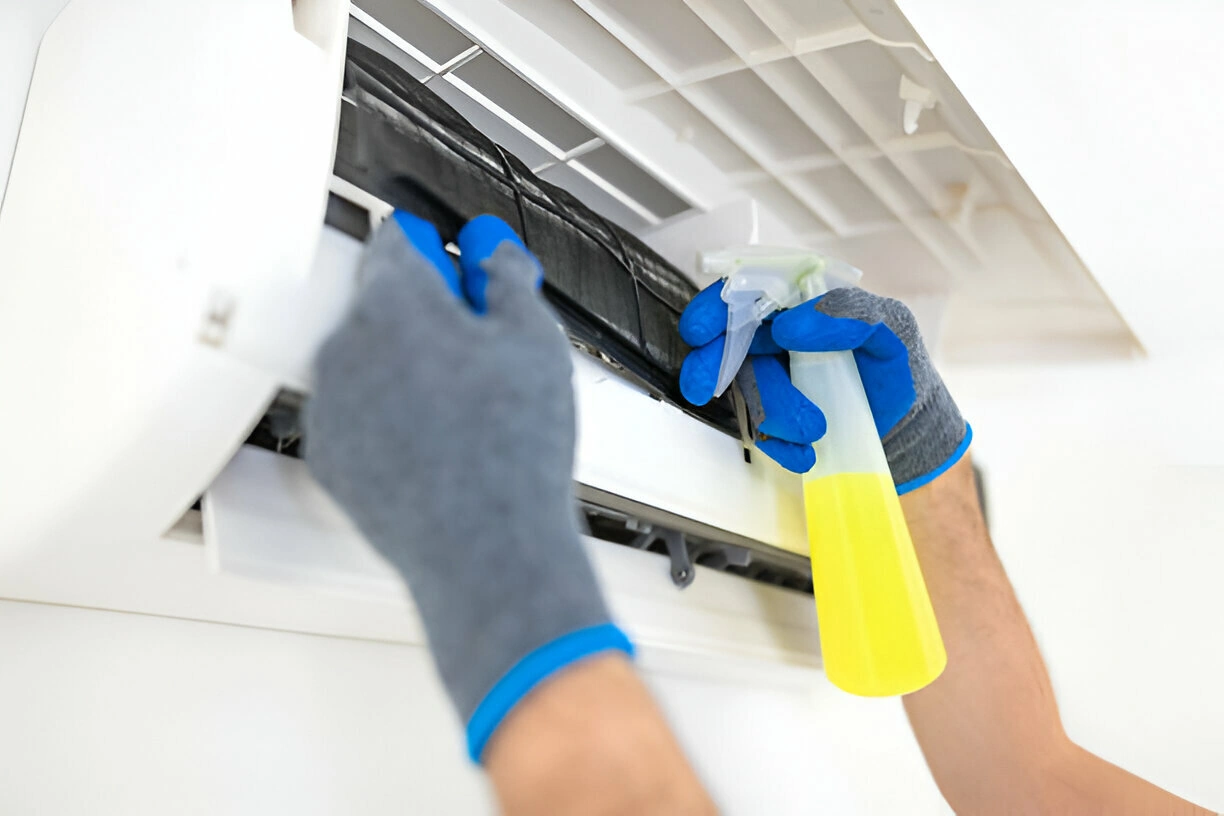
For most homes in our service area, the sweet spot is replacing 1-inch filters every 1 to 2 months, especially if you have pets, live in a dusty or newly constructed neighborhood, or are navigating Colorado's summer wildfire season. If you use a thicker 4-inch media filter, you can typically extend this to 6 months, though monthly visual checks are still highly recommended. For a step-by-step walkthrough, refer to our AC Filter Replacement Guide for Homeowners.
Despite the beautiful views, the combination of high ozone levels, fine particulate matter (PM2.5), and wildfire smoke poses serious health risks. Because high-altitude air naturally contains less oxygen, your respiratory and cardiovascular systems are already working harder. Breathing in fine pollutants can exacerbate asthma, trigger allergies, irritate the eyes and throat, and increase the risk of cardiovascular events. Additionally, the dry air at elevation dries out your nasal passages, making it easier for viruses and bacteria to bypass your natural biological defenses.
We recommend performing a visual check monthly. In most Denver Metro and Castle Rock homes, filters should be replaced every 1 to 2 months. If you have multiple pets, family members with severe allergies, or if we are experiencing active wildfire smoke, you may need to replace your filter every 3 to 4 weeks to maintain healthy indoor air and prevent system strain.
Absolutely. Because high-altitude systems already struggle with reduced air density, a clogged filter severely restricts airflow. In the winter, this restriction traps heat inside your furnace, causing it to overheat and cycle off via the limit switch. Over time, this constant overheating can crack your heat exchanger—a dangerous and expensive failure. In the summer, restricted airflow prevents warm air from passing over your air conditioner’s evaporator coils, causing them to freeze up, block airflow entirely, and potentially damage your compressor.
Living along the Colorado Front Range is a privilege, but keeping your home comfortable and healthy at elevation requires local expertise. Choosing the best air filter for homes at altitude is a vital step in protecting your respiratory health, reducing indoor allergens, and safeguarding your heating and cooling equipment from premature wear.
At Colorado Bear Heating & Air, we have over 20 years of experience serving homeowners in Castle Rock, Denver, Littleton, Highlands Ranch, Parker, Centennial, and the surrounding communities. We pride ourselves on honest work done right the first time, transparent communication, and fast, reliable service. Whether you need an indoor air quality assessment, a high-altitude furnace calibration, or a whole-home air purification system, our team is here to help.
Keep your home’s air clean, fresh, and healthy year-round. Visit Colorado Bear Heating & Air to schedule your professional indoor air quality consultation!

Get a decision in seconds with no impact to your credit score.


Colorado Bear HVAC is truly the best contractors I have experienced since I moved into my house 30 years ago. I have been dealing with Joe and his crew for over 11 years now. They are a trustworthy, respectful, experienced crew who works with you and gives you a fair value. They just completed a big job replacing my A/C, gas furnace and condenser. They did an excellent job, no short cuts, made sure everything was functional, and cleaned up the area nicely before they left. No pressure to perform unnecessary service. You know when the job is done, you have received top notch professional service at a fair price.


I used Colorado Bear Heating and Air to replace two furnaces in my home. Nate was exceptional to work with. His team did a great job educating me along the way. He provided competitive pricing with 10 year warranties. They installed quickly and were just super great to work with. I’d highly recommend them.

Nate and Sam have been great to work with getting my home humidifier installed in a difficult space in my 1940s house. Their prices were very fair and I would heartily recommend Colorado Bear to anyone looking for a solid HVAC company.
.avif)
Thank you Nate for the promptness you guys gave my parent. They are 93 and can't get around and always getting cold, and I was at work called Nate and he had one of his guys there in like 2 hours which was outstanding my dad was very impressed with the professional and how quick he had it fixed. These guys are great all my family said we found us a new heating and ac company. Colorado Bear Heating & Air you have customers for life!!!! Thank You Again
Carla and the Barnes Family
.avif)
Colorado Bear Heating & Air saved the day! This morning my family and I woke up to frigid outside temperatures(1 degree F)…and no heat! Nate was great over the phone to help me check our furnace, then he sent Sam over to help get us back to warmer temps. They were so quick and helpful. Fortunately I did not have to keep my toddlers inside the house wearing snow suits all day. We are warm now, and so thankful!
.avif)

If you’re in Colorado Springs, The Mountains, or nearby areas, call us to confirm availability for installations.
.avif)