Latest Blogs
Stay updated with our latest blog posts.



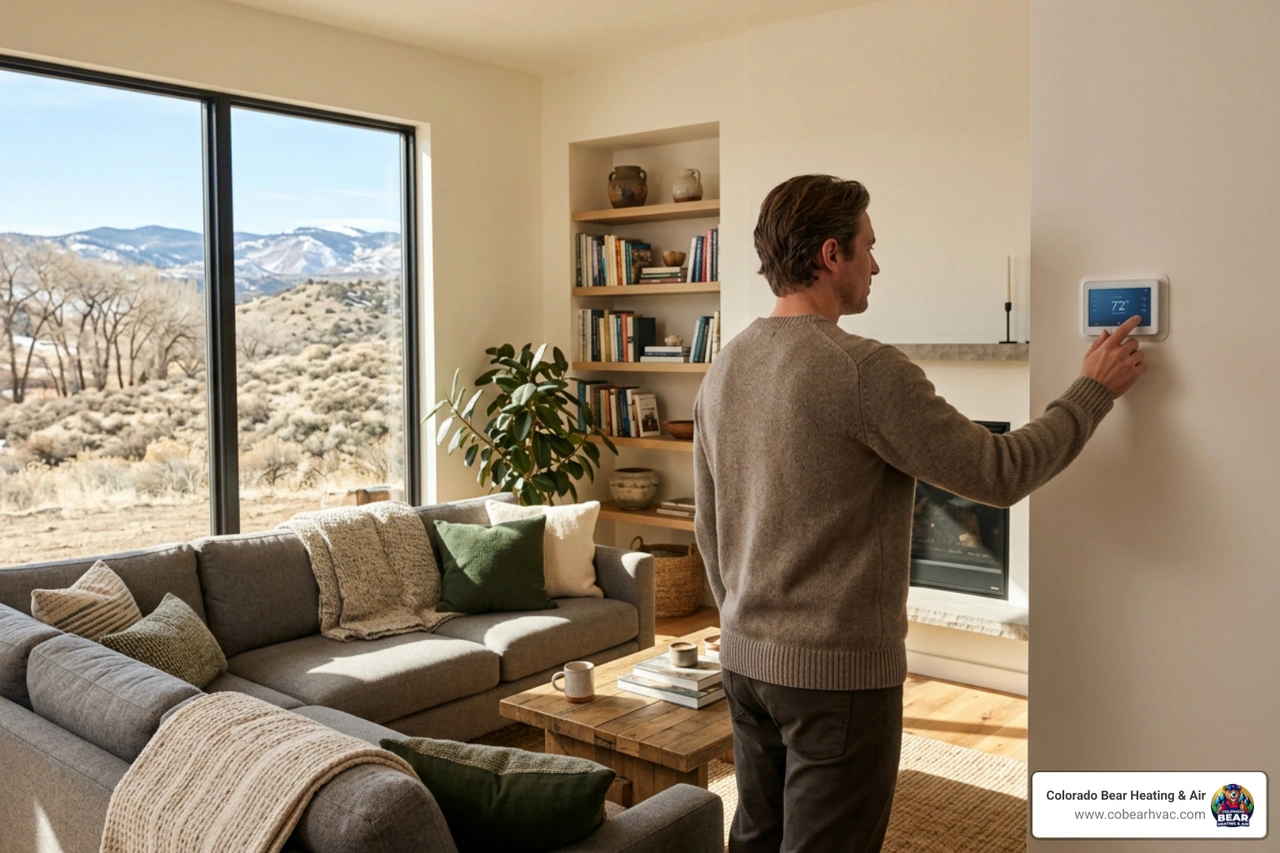

How Colorado dry air affects indoor comfort is something most homeowners in the state experience every winter — often without realizing what's causing it. That persistent dry throat in the morning. The static shock every time you touch a doorknob. The thermostat set to 70°F but the house still feels cold. None of that is in your head.
Here's a quick summary of the most common ways dry air impacts your home:
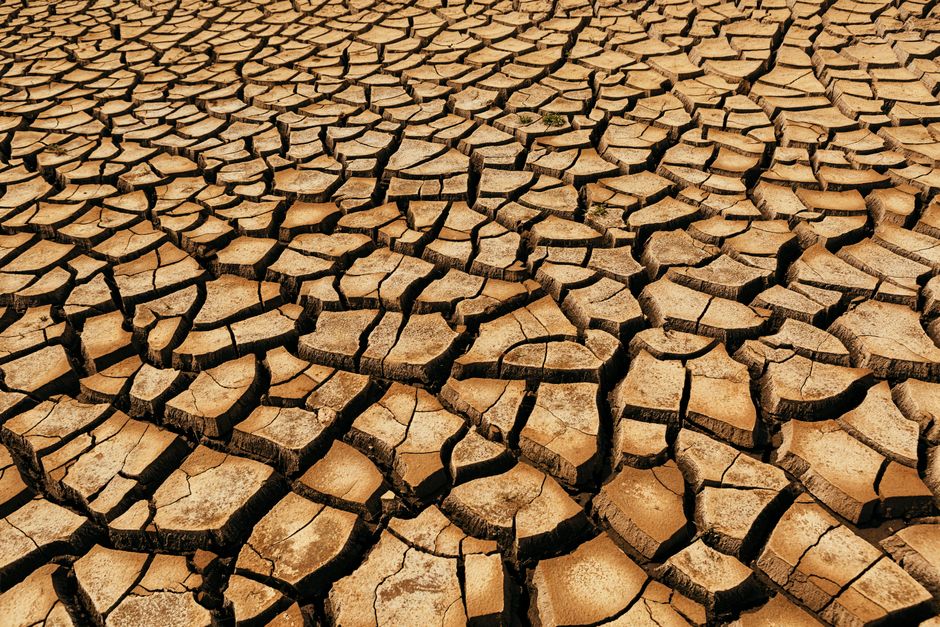
Colorado's semi-arid climate and high altitude create a uniquely harsh indoor environment. During winter, when heating systems run constantly, indoor humidity levels frequently fall below 20% — and in some homes, as low as 15%. To put that in perspective, the Sahara Desert typically averages around 25% humidity. The ideal indoor range for comfort and health is 30% to 50%.
This guide walks through exactly what's happening inside your home, why Colorado's climate makes it so much worse than other states, and what you can do to fix it — from understanding the science to choosing the right humidity control solutions for your space.
Terms related to how colorado dry air affects indoor comfort:
To understand why your home feels like an oven-baked cracker in the middle of January, we have to look at the physics of air, temperature, and elevation. Living along the Front Range or in the Denver Metro Area means dealing with weather patterns that are fundamentally different from those at sea level.
First and foremost, warm air has a much higher capacity to hold water vapor than cold air. When cold, dry outdoor air leaks into your home, your furnace heats it up. This heating process expands the air, which increases its capacity to hold moisture. However, because no new water is being added to the system, the relative humidity (the percentage of moisture the air actually holds compared to what it could hold) plummets.
This drop in relative humidity directly impacts your daily well-being. Understanding Why Your Indoor Air Quality Matters is the first step in realizing that humidity isn't just an optional comfort setting; it is a core pillar of a healthy, efficient household.
Have you ever wondered why 70°F in a humid climate like Florida feels warm and balmy, while 70°F in Littleton or Highlands Ranch makes you reach for a heavy sweater? The culprit is a process known as evaporative cooling.
Your body naturally regulates its temperature by evaporating moisture from your skin. When the indoor air is incredibly dry, this evaporation happens at an accelerated rate. Because evaporation is a cooling process, it strips heat away from your skin surface incredibly fast. The result? You feel up to 4 degrees colder than the actual ambient room temperature.
This leads to a phenomenon we call "thermostat creep." Homeowners feel chilly, so they walk over to the thermostat and bump it up to 73°F or 74°F. According to the Department of Energy, every single degree you raise your thermostat increases your heating bill by roughly 3%. If you are cranking up the heat just to offset the chilling effects of dry air, you are paying a massive premium on your monthly energy bills without actually solving the root comfort problem.
Colorado’s geography is a double-whammy for indoor moisture levels. We live in a semi-arid climate, largely due to the rain shadow effect created by the Rocky Mountains. As weather systems travel from the west, they dump their moisture on the western slopes of the Rockies, leaving the Front Range with dry, high-plains air.
Furthermore, elevation plays a massive role. At an altitude of 5,000 to over 6,000 feet (such as in Castle Rock, Parker, or Centennial), the atmospheric pressure is lower. Thin air holds less heat and less moisture. In fact, air density at 5,000 feet is about 20% lower than at sea level.
When your furnace draws in this thin, dry outdoor air for combustion or through natural infiltration (micro-gaps around your doors, windows, and foundation), it dilutes whatever lingering moisture you have inside. This explains why uncontrolled Colorado homes regularly drop to single-digit indoor humidity levels during cold snaps, making the indoor environment literally drier than the world's most famous deserts.
Unless you have a dedicated air quality monitor, you might not know your exact indoor humidity percentage. However, your body and your house will drop plenty of hints. Recognizing these signs early can save you from chronic physical discomfort and expensive home repairs. If you suspect your home's air is out of balance, scheduling a professional evaluation for your Service Indoor Air Quality needs can help pinpoint the exact issues.
Your body is highly sensitive to moisture levels. When the air drops below the recommended 30% to 50% relative humidity range, you will likely experience a cascade of health annoyances:
It isn't just your body that suffers from Colorado’s parched atmosphere; your physical home is also under constant threat. Wood is a hygroscopic material, meaning it behaves like a natural sponge—absorbing moisture when the air is damp and releasing it when the air is dry.
When indoor humidity drops during the heating season, wood flooring, trim, doors, and furniture contract. You might notice:
Many homeowners are surprised to learn that dry air actively degrades the performance of their heating and cooling equipment. When the air is dry, your HVAC system has to work significantly harder to deliver the same level of comfort. This extra strain translates directly into higher utility bills, more frequent breakdowns, and a shortened system lifespan.
If you want to understand how dry conditions affect your comfort year-round, you can read about How Colorado Dry Heat Affects Your Cooling System to see how these environmental challenges persist even when the winter snow melts.
One of the most fascinating (and frustrating) aspects of low humidity is how it interacts with household dust. In a humid environment, moisture binds to airborne particles, making them heavy so they settle quickly onto surfaces. In dry air, static electricity increases, and particles lose their moisture weight.
Consequently, dust, pet dander, and allergens remain suspended in the air longer, floating through your rooms like tiny paragliders. When your furnace runs, its blower fan pulls this suspended dust directly into your return vents.
This creates a rapid dust cycle that leads to:
Dry air also causes mechanical issues within your heating system. Because dry air feels colder, your furnace is forced to run longer, more frequent heating cycles to satisfy the thermostat. This extended runtime accelerates the wear and tear on every moving part in the system.
Furthermore, low humidity causes materials in your ductwork to contract. This contraction can widen small seams and gaps in your ducts, allowing heated air to escape into unconditioned spaces like your attic or crawlspace. Leaky ducts can reduce overall heating efficiency by up to 20%, while actively pulling in dirty, dry, unconditioned air from wall cavities.
Finally, static electricity is a major hazard in dry climates. Voltage spikes from static shocks aren't just annoying to your fingertips; they can also discharge into your furnace's control board, potentially frying sensitive electronic circuits and causing unexpected system failures.
Living in the Denver Metro Area or Castle Rock doesn't mean you have to accept dry skin and high energy bills as a permanent way of life. There are highly effective, professional solutions designed to restore balanced humidity to your indoor environment.
While portable, single-room humidifiers are widely available, they come with significant limitations. They must be manually refilled with water daily, require frequent deep cleaning to prevent mold and bacteria growth, and only affect a small radius around the unit. Additionally, using tap water in portable ultrasonic humidifiers can disperse hard water minerals into the air, creating a fine white dust that settles on furniture and can irritate your lungs.
A whole-home humidifier, on the other hand, is installed directly into your existing HVAC ductwork. It connects to your home's water line, meaning it refills automatically, and it distributes moisture evenly through every supply vent in the house.
| Feature | Whole-Home Humidifier | Portable Humidifier |
|---|---|---|
| Coverage Area | Entire home (all rooms) | Single room or small zone |
| Water Source | Automatic (connected to water line) | Manual refill (daily or multiple times a day) |
| Maintenance | Annual water panel/filter replacement | Weekly cleaning to prevent mold/bacteria |
| Aesthetics | Hidden out of sight in utility room | Takes up floor/table space, visible cords |
| Control | Automated via digital humidistat/thermostat | Manual dial or basic on/off switch |
| Lifespan | 10 to 20 years with proper care | 1 to 5 years |
There are three main types of whole-home humidifiers:
To keep your newly added humidity from immediately escaping, your home's envelope must be properly managed. Air sealing—using weatherstripping around doors and caulking around window frames—prevents dry outdoor air from infiltrating your living spaces.
However, modern homes can sometimes be sealed too tightly, trapping stale air, odors, and pollutants inside. This is where balanced mechanical ventilation comes into play. Devices like Energy Recovery Ventilators (ERVs) are highly recommended for Colorado's dry climate. Unlike Heat Recovery Ventilators (HRVs) which only transfer heat, an ERV transfers both heat and moisture. When bringing fresh outdoor air inside, an ERV helps retain the precious indoor humidity you’ve worked so hard to build.
To explore these options further, check out our Effective Ventilation Systems Guide and learn about pairing these systems with the right filtration by reading our guide on Choosing the Right Air Purifier.
During the winter, the combination of cold outdoor air and active indoor heating creates a severe drop in relative humidity. Because cold air naturally holds very little water vapor, heating it up reduces indoor relative humidity levels to between 10% and 20% in uncontrolled homes.
This environment is actually drier than the Sahara Desert, which averages around 25% relative humidity. This extreme dryness accelerates the evaporation of moisture from your skin, eyes, and respiratory passages, making you feel cold, congested, and uncomfortable throughout the winter heating season.
The ideal indoor humidity level for comfort and health is between 30% and 50%. For most Colorado residents, the sweet spot is around 35% to 40% during the winter.
If you push the indoor humidity above 45% when it is extremely cold outside, you run the risk of water condensing on your windows. This condensation can run down into the wood trim, causing rot, peeling paint, and eventually mold growth. Keeping a digital hygrometer in your home allows you to monitor these levels and adjust your humidistat as outdoor temperatures fluctuate.
Yes, absolutely. Because humid air holds heat much better than dry air, adding moisture to your indoor environment directly affects your thermal comfort. Air at 70°F with 40% humidity feels significantly warmer than air at 70°F with 15% humidity.
By maintaining proper humidity levels, you can comfortably lower your thermostat by 2 to 3 degrees without feeling any colder. Since every degree you lower your thermostat can save you up to 3% on your heating bills, a whole-home humidifier can pay for itself over time in reduced energy consumption and less wear and tear on your furnace.
Managing how colorado dry air affects indoor comfort is essential for any homeowner along the Front Range. From dry skin and sleepless nights to structural damage and overworked heating systems, chronic low humidity is a silent comfort-striker. Fortunately, you don't have to live in a desert-dry home.
At Colorado Bear Heating & Air, we bring over 20 years of local experience to every home comfort challenge. We specialize in providing honest, reliable, and transparent HVAC and indoor air quality services. Whether you live in Castle Rock, Littleton, Highlands Ranch, Parker, Centennial, or anywhere across the Denver Metro Area, our team of licensed and factory-certified technicians is dedicated to doing the job right the first time.
If you are ready to stop fighting static electricity, dry skin, and high energy bills, we are here to help. Explore our tailored solutions for Indoor Air Quality Castle Rock CO to see how we can transform your indoor environment.
Don't let Colorado's dry climate dictate your comfort. Schedule professional service today to find the right whole-home humidification system for your space. Let us help you make your home's air as comfortable, healthy, and welcoming as the beautiful state we call home.

Get a decision in seconds with no impact to your credit score.


Colorado Bear HVAC is truly the best contractors I have experienced since I moved into my house 30 years ago. I have been dealing with Joe and his crew for over 11 years now. They are a trustworthy, respectful, experienced crew who works with you and gives you a fair value. They just completed a big job replacing my A/C, gas furnace and condenser. They did an excellent job, no short cuts, made sure everything was functional, and cleaned up the area nicely before they left. No pressure to perform unnecessary service. You know when the job is done, you have received top notch professional service at a fair price.


I used Colorado Bear Heating and Air to replace two furnaces in my home. Nate was exceptional to work with. His team did a great job educating me along the way. He provided competitive pricing with 10 year warranties. They installed quickly and were just super great to work with. I’d highly recommend them.

Nate and Sam have been great to work with getting my home humidifier installed in a difficult space in my 1940s house. Their prices were very fair and I would heartily recommend Colorado Bear to anyone looking for a solid HVAC company.
.avif)
Thank you Nate for the promptness you guys gave my parent. They are 93 and can't get around and always getting cold, and I was at work called Nate and he had one of his guys there in like 2 hours which was outstanding my dad was very impressed with the professional and how quick he had it fixed. These guys are great all my family said we found us a new heating and ac company. Colorado Bear Heating & Air you have customers for life!!!! Thank You Again
Carla and the Barnes Family
.avif)
Colorado Bear Heating & Air saved the day! This morning my family and I woke up to frigid outside temperatures(1 degree F)…and no heat! Nate was great over the phone to help me check our furnace, then he sent Sam over to help get us back to warmer temps. They were so quick and helpful. Fortunately I did not have to keep my toddlers inside the house wearing snow suits all day. We are warm now, and so thankful!
.avif)

If you’re in Colorado Springs, The Mountains, or nearby areas, call us to confirm availability for installations.
.avif)