Latest Blogs
Stay updated with our latest blog posts.



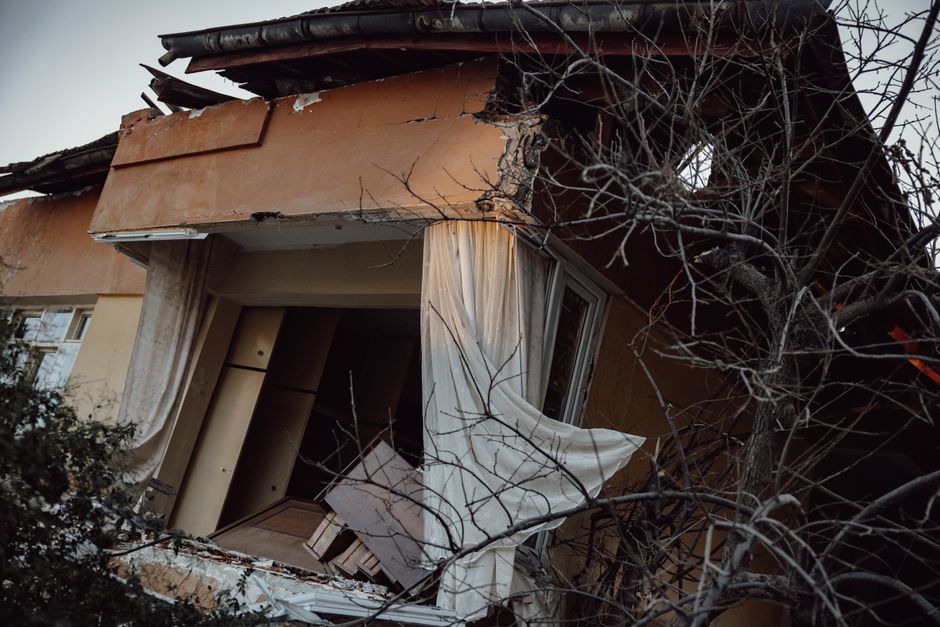

Protecting your home during Colorado hailstorms is one of the most important things you can do as a Front Range homeowner — and the window to prepare is shorter than most people think.
Colorado sits squarely in "Hail Alley," one of the most hail-prone regions in the country. The state sees seven to nine hail days per year on average, with June historically being the single worst month. The June 2018 hailstorm in Colorado Springs alone caused over $169 million in damage. In 2023, the U.S. recorded 6,962 hail events — up from 4,426 the year before. Along the Front Range, communities like Castle Rock, Littleton, Highlands Ranch, and Centennial face this threat every single summer.
Hail doesn't just dent your car or crack a shingle. A single storm can compromise your roof, windows, siding, gutters, and even your outdoor HVAC equipment — often in ways that aren't visible from the ground until the damage has already gotten worse.
Here's a quick overview of the core steps for protecting your home before, during, and after a Colorado hailstorm:
Quick Answer: How to Protect Your Home from Colorado Hailstorms
This guide walks you through every step — from identifying damage on your roof, windows, and HVAC system, to navigating insurance claims and spotting contractor scams after the storm.
Easy protecting your home during colorado hailstorms glossary:
Living in the Denver Metro Area or down in Castle Rock means accepting that summer weather can turn severe in the blink of an eye. Our unique geographical location makes us incredibly vulnerable to sudden, violent storms. To keep our homes safe, we first have to understand when these storms strike, where they hit hardest, and how to spot the damage they leave behind.
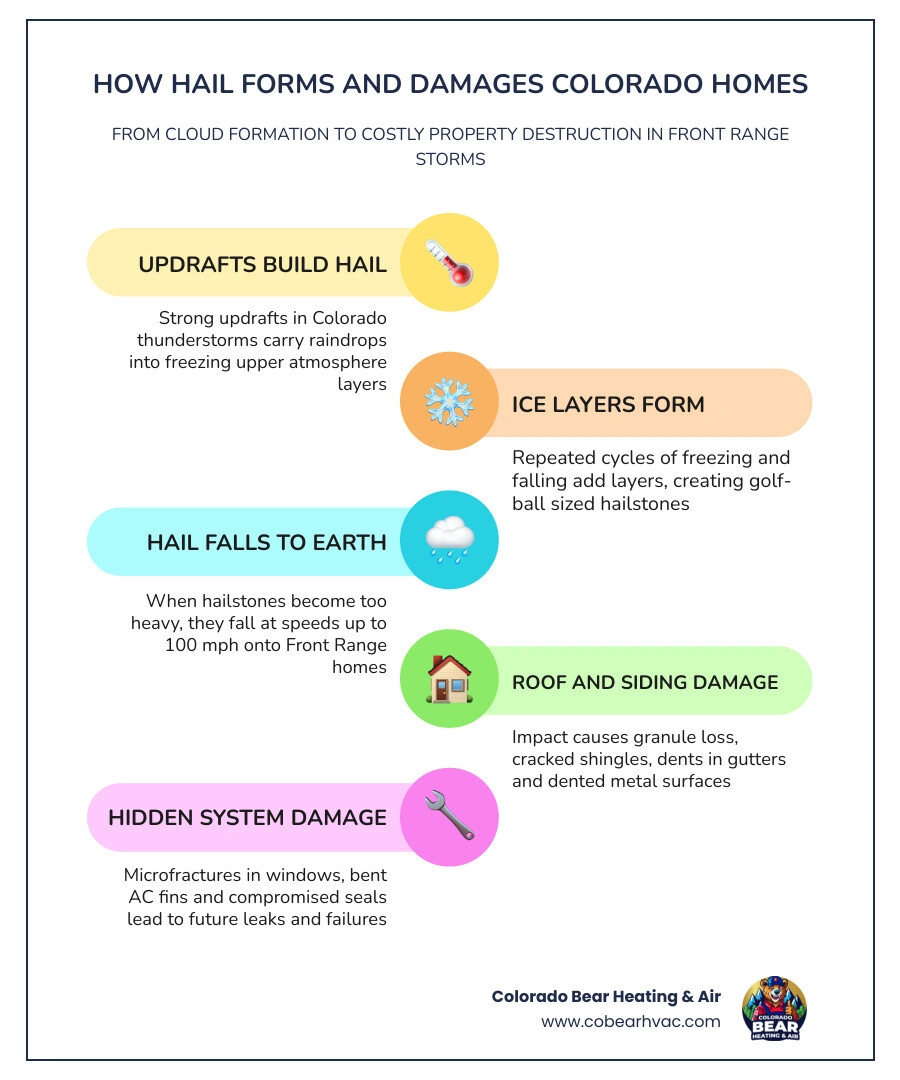
Colorado's position in "Hail Alley" combined with our high elevation and the proximity of the Rocky Mountains creates the perfect recipe for rapid storm intensification. As warm, moist air from the plains collides with cold mountain air over high-elevation zones like the Palmer Divide, massive updrafts carry raindrops high into freezing atmospheric layers. This cycle repeats, layering ice upon ice until the heavy hailstones plunge to the earth at speeds that can exceed 100 mph.
When these icy projectiles hit our properties, they affect multiple exterior surfaces. Some damage is obvious, like shattered glass or deeply dented gutters, but much of it remains hidden. For example, hail impacts can cause microfractures in shingles and window frames, leading to slow water leaks, rot, and mold weeks or months down the road.
Understanding how severe weather interacts with your home's systems is key to avoiding structural issues. For a deeper look at this relationship, check out our article on how colorado storms affect your hvac system.
While Colorado hail season technically spans from April through September, the threat peaks dramatically from mid-May through mid-July. June is historically the worst month of the year for large, destructive hail events.
These storms typically follow a daily pattern, rolling in during the late afternoon and early evening hours. The Palmer Divide—the high-altitude ridge stretching between Denver and Colorado Springs—acts as a natural ramp for storms, frequently causing rapid intensification over communities like Monument, Larkspur, Castle Pines, Parker, and Elizabeth.
Because conditions can change in minutes, keeping a close eye on local weather alerts is a must for emergency planning. When a severe thunderstorm warning is issued, it is time to move vehicles undercover, bring pets indoors, and prepare for potential power outages.
Once the storm passes and it is completely safe to go outside, you should perform a thorough, ground-level walk-around of your property. We strongly advise against climbing onto the roof yourself—wet roofs are incredibly slippery, and hidden structural damage can make them unstable. Leave the climbing to licensed, professional roofers.
Instead, look for these telltale signs of damage from the safety of the ground:
Windows are highly vulnerable to hail, but the damage isn't always as obvious as a shattered pane. High winds often blow hail directly against the western and northern sides of Colorado homes, causing several types of hidden window damage:
Your outdoor air conditioning condenser or heat pump is just as exposed to the elements as your roof and windows. Because these units rely on a delicate system of aluminum fins to release heat, they are highly susceptible to hail damage.
When heavy hail strikes an unprotected AC unit, it can easily flatten or bend the thin aluminum condenser fins. This restricts the vital airflow your system needs to operate, forcing the compressor to work much harder to cool your home. Over time, this extra strain leads to cooling inefficiency, higher energy bills, and eventual compressor failure.
Protecting these systems requires proactive care. To understand how to safeguard your system before the next storm rolls through, read our guide on protecting heat pump from summer storm damage. If a storm has already hit, you can learn more about identifying specific problems in our article on how hail and wind damage your outdoor ac unit.
When it comes to protecting your home during Colorado hailstorms, waiting for the sky to turn gray is a major mistake. Proactive mitigation is the single best way to minimize property damage and avoid expensive insurance claims. By investing in the right protective materials, keeping up with preventative property maintenance, and securing your outdoor systems, you can ensure your home is ready to weather any storm the Front Range throws its way.
A great place to start your pre-season prep is with your home comfort systems. Keeping your HVAC system in top shape ensures it can handle the stress of sudden storm shutdowns and summer heatwaves alike. Discover how to get started with our helpful article on how to prevent hvac emergencies with maintenance.
Your roof is your home’s first line of defense. If you are planning a roof replacement, upgrading to impact-resistant materials is one of the smartest long-term investments you can make.
We highly recommend installing Class 4 impact-resistant shingles. These shingles are subjected to rigorous testing, including dropping a 2-inch steel ball onto the shingle twice from a height of 20 feet without cracking the backing material. While standard asphalt shingles easily crack under this type of force, Class 4 shingles—often made of polymer-modified asphalt or durable synthetic slate—are designed to bounce back.
In addition to superior protection, upgrading to Class 4 shingles can qualify you for substantial insurance premium discounts of 15% to 35% with many major carriers in Colorado.
The table below highlights the differences between standard roofing and Class 4 impact-resistant materials:
| Feature | Standard Asphalt Shingles | Class 4 Impact-Resistant Shingles |
|---|---|---|
| Material Composition | Standard fiberglass and asphalt | Polymer-modified (SBS) asphalt or synthetic composites |
| Hail Resistance | Poor; easily bruises, cracks, or loses granules | Excellent; designed to resist cracking from 2-inch hailstones |
| Average Lifespan | 15 to 20 years (less in severe hail zones) | 25 to 50 years |
| Insurance Benefit | None | Often qualifies for 15% to 35% premium discounts |
| Initial Cost | Baseline | Moderate premium over standard shingles |
Don't stop at the roof. You can also protect your home's windows and skylights by upgrading to tempered or laminated impact-resistant glass. Adding heavy-duty storm shutters or applying a protective window film can also reinforce your existing glass, keeping it from shattering inward if hit by large hail.
Your yard can either protect your home or contribute to its destruction during a storm. High winds and heavy hail can easily snap weak or dead tree branches, turning them into dangerous projectiles that can crash through your roof, windows, or outdoor AC unit.
To minimize these risks, follow these landscaping best practices:
The hours and days following a severe hailstorm can be incredibly stressful. Unfortunately, this is also the exact time when out-of-state "storm chasers" descend on hard-hit neighborhoods in Denver, Littleton, and Highlands Ranch, looking to take advantage of overwhelmed homeowners. Navigating this period successfully requires a calm, systematic approach to documenting damage and dealing with your insurance company.
Before you make a single phone call to an insurance agent or a contractor, take the time to document everything yourself. Walk your property and take clear, time-stamped photos and videos of all visible damage to your roof, siding, windows, gutters, and outdoor AC unit. If possible, safely place a ruler or a common object (like a coin) next to any hailstones on the ground to document their size.
Store all of these files in a dedicated digital folder. This baseline of evidence is invaluable when it comes time for the insurance adjuster's visit.
Reviewing your homeowners insurance policy before hail season starts is absolutely critical. Many Colorado homeowners are surprised to learn that their policies have shifted from a flat-dollar deductible (such as $1,000) to a percentage-based wind and hail deductible.
A percentage-based deductible is calculated as a percentage of your home's total insured value, not the cost of the damage. For example, if your home is insured for $500,000 and you have a 2% wind and hail deductible, you will have to pay $10,000 out of pocket before your insurance coverage kicks in. Knowing this number ahead of time helps you avoid major financial surprises.
Additionally, make sure you understand the difference between Actual Cash Value (ACV) and Replacement Cost Value (RCV) policies:
Finally, keep an eye on the clock. Colorado law generally allows up to two years to file a property damage claim under the statute of limitations, but many individual insurance policies have much stricter deadlines—sometimes requiring you to file within 6 to 12 months of the storm date.
Within days of a major storm, you will likely see door-to-door solicitors offering "free roof inspections" and promising to "waive your insurance deductible." Beware of these high-pressure sales tactics.
First and foremost, offering to waive an insurance deductible is illegal in the state of Colorado. Any contractor who offers to do this is committing insurance fraud, which should immediately disqualify them from working on your home.
To protect yourself from predatory storm chasers, keep these red flags in mind:
Under Colorado law, you also have a 72-hour right to cancel any roofing contract signed after a storm if your insurance company denies the claim in whole or in part. Take your time, get multiple assessments, and always verify a contractor's local reputation before signing on the dotted line.
While Colorado's state statute of limitations for property damage claims is generally two years from the date of the storm, your individual homeowners insurance policy may have a much shorter deadline. Many policies require you to report damage and file a claim within one year—and some within just six months. We highly recommend reviewing your policy in early spring and filing your claim as soon as you confirm storm damage to avoid missing these critical deadlines.
Generally, yes—but only if the water damage is a direct result of a "storm-created opening." For example, if hail shatters a window or punctures your roof, and rainwater pours inside damaging your ceiling and drywall, that interior water damage is typically covered.
However, if hail accumulates on the ground, melts, and causes localized flooding that seeps into your basement, this is considered ground water intrusion. Standard homeowners insurance does not cover flooding; you would need a separate flood insurance policy to cover that type of damage.
Look for flattened or bent aluminum fins on the sides of your outdoor condenser unit. If the metal looks like it has been combed down or heavily dented, your system's airflow is restricted. You might also notice that your home isn't cooling as quickly as it used to, or that your outdoor unit is running constantly and making unusual vibrating noises.
If you suspect your system has been damaged, scheduling a professional HVAC inspection is the best way to assess the internal components. To learn more about what to expect during our diagnostic process, check out our guide on what to expect during an emergency service call.
Protecting your home during Colorado hailstorms requires vigilance, preparation, and a commitment to maintaining your home's most vital systems. From upgrading to Class 4 impact-resistant shingles to keeping your trees trimmed and securing your outdoor HVAC equipment, taking proactive steps today can save you from massive headaches and costly repairs tomorrow.
At Colorado Bear Heating & Air, we are proud to provide prompt, reliable HVAC services to our neighbors in Castle Rock, Littleton, Highlands Ranch, Centennial, Parker, Aurora, and across the Denver Metro Area. With over 20 years of experience, our licensed and factory-certified technicians are committed to honest work done right the first time. We believe in transparent communication, fast response times, and a customer-first approach to keeping your home comfortable and safe year-round.
If a recent Front Range storm has left you worried about the health of your air conditioner or heat pump, don't wait for your system to break down in the heat of summer. Visit our HVAC Services Page to schedule an inspection today. We are here to help you weather any storm with honest, dependable service!

Get a decision in seconds with no impact to your credit score.


Colorado Bear HVAC is truly the best contractors I have experienced since I moved into my house 30 years ago. I have been dealing with Joe and his crew for over 11 years now. They are a trustworthy, respectful, experienced crew who works with you and gives you a fair value. They just completed a big job replacing my A/C, gas furnace and condenser. They did an excellent job, no short cuts, made sure everything was functional, and cleaned up the area nicely before they left. No pressure to perform unnecessary service. You know when the job is done, you have received top notch professional service at a fair price.


I used Colorado Bear Heating and Air to replace two furnaces in my home. Nate was exceptional to work with. His team did a great job educating me along the way. He provided competitive pricing with 10 year warranties. They installed quickly and were just super great to work with. I’d highly recommend them.

Nate and Sam have been great to work with getting my home humidifier installed in a difficult space in my 1940s house. Their prices were very fair and I would heartily recommend Colorado Bear to anyone looking for a solid HVAC company.
.avif)
Thank you Nate for the promptness you guys gave my parent. They are 93 and can't get around and always getting cold, and I was at work called Nate and he had one of his guys there in like 2 hours which was outstanding my dad was very impressed with the professional and how quick he had it fixed. These guys are great all my family said we found us a new heating and ac company. Colorado Bear Heating & Air you have customers for life!!!! Thank You Again
Carla and the Barnes Family
.avif)
Colorado Bear Heating & Air saved the day! This morning my family and I woke up to frigid outside temperatures(1 degree F)…and no heat! Nate was great over the phone to help me check our furnace, then he sent Sam over to help get us back to warmer temps. They were so quick and helpful. Fortunately I did not have to keep my toddlers inside the house wearing snow suits all day. We are warm now, and so thankful!
.avif)

If you’re in Colorado Springs, The Mountains, or nearby areas, call us to confirm availability for installations.
.avif)