Latest Blogs
Stay updated with our latest blog posts.




Storm preparedness for Colorado homeowners isn't optional — it's essential. Colorado's Front Range is one of the most weather-volatile regions in the country. On any given day in July 2026, you might wake up to sunshine and 80-degree heat, then watch a hailstorm the size of golf balls pound your roof by afternoon, followed by a temperature drop of 40 degrees overnight.
Here's a quick overview of what Colorado homeowners should do to stay safe and protected:
Colorado ranks second in the nation for hail insurance claims. The state averages 60 tornadoes per year, with peak activity running from April through June. Over 40% of flood losses here happen outside designated high-risk flood zones — meaning even homeowners who think they're safe often aren't. And with bomb cyclones capable of dropping one to three feet of snow in a single day, the threats don't stop when summer ends.
The good news? Most storm damage is preventable with the right preparation. This guide walks you through everything you need to know — from fortifying your home's exterior and protecting your HVAC system, to building a family emergency plan and navigating Colorado's unique insurance landscape.
Basic storm preparedness for colorado homeowners glossary:
The Front Range of Colorado is a geographic "weather factory." The dramatic interaction between the high plains and the Rocky Mountains creates some of the most violent, rapid weather changes in North America. To protect your property in areas like Denver, Littleton, and Centennial, you must first understand the specific threats that blow through our neighborhoods.
Colorado sits right in the heart of "Hail Alley." While states in the Midwest get plenty of severe weather, our high elevation means hail has less time to melt as it falls from the sky. This results in incredibly dense, hard, and large hail — often reaching golf ball or tennis ball size between mid-May and July. Combined with microbursts that produce straight-line winds exceeding 70 to 80 mph, these storms can strip siding, shatter windows, and destroy outdoor mechanical units in minutes.
While the mountains rarely see tornadoes, the plains and the metro areas directly adjacent to the foothills are a different story. Colorado experiences an average of 60 tornadoes annually, with peak activity occurring between April and June. Counties like Weld, Adams, and Arapahoe are historically among the most tornado-prone in the country.
In Colorado, heavy rainstorms often dump multiple inches of water in under an hour. Because our clay-heavy soil doesn't absorb water quickly, this runoff pools rapidly. Additionally, if a heavy rainstorm hits during the spring snowmelt, the risk of flash flooding skyrockets. It is a dangerous misconception that you only need to worry about flooding if you live near a river; in fact, over 40% of flood losses in Colorado occur completely outside of designated high-risk flood zones. Furthermore, if your home is near a recent wildfire burn scar, the risk of flash floods and debris flows remains incredibly high for up to five years after the fire.
Understanding How Colorado Storms Affect Your HVAC System is the first step in realizing that severe weather isn't just an outdoor inconvenience — it can directly compromise your indoor comfort and safety.
To keep the elements outside where they belong, you must proactively reinforce your home's physical structure. Waiting until a severe thunderstorm warning is issued for Douglas or Elbert county is too late.
Your roof is your home's first line of defense. Homeowners should schedule professional roof inspections at least twice a year — once in the early spring and once in the late fall. Look for missing, cracked, or curling shingles, as well as granules accumulating in your gutters. When it comes time to replace your roof, consider investing in Class 4 impact-resistant shingles, which are designed to withstand hail impacts without cracking.
Clogged gutters are a primary cause of water damage. When heavy rains hit, clogged gutters will overflow, sending water pouring straight down your home's siding and pooling around your foundation. Clean your gutters and downspouts at least twice a year, and ensure your downspouts extend at least five feet away from your foundation.
Many homes in Castle Rock, Highlands Ranch, and Parker have finished basements. To protect these spaces from rising groundwater, a properly functioning sump pump is vital. Test your sump pump regularly by pouring water into the basin to ensure it switches on and pumps water out. Because heavy storms often knock out local power grids, a standard sump pump will fail exactly when you need it most. Installing a battery-powered backup sump pump ensures your basement stays dry even during extended power outages.
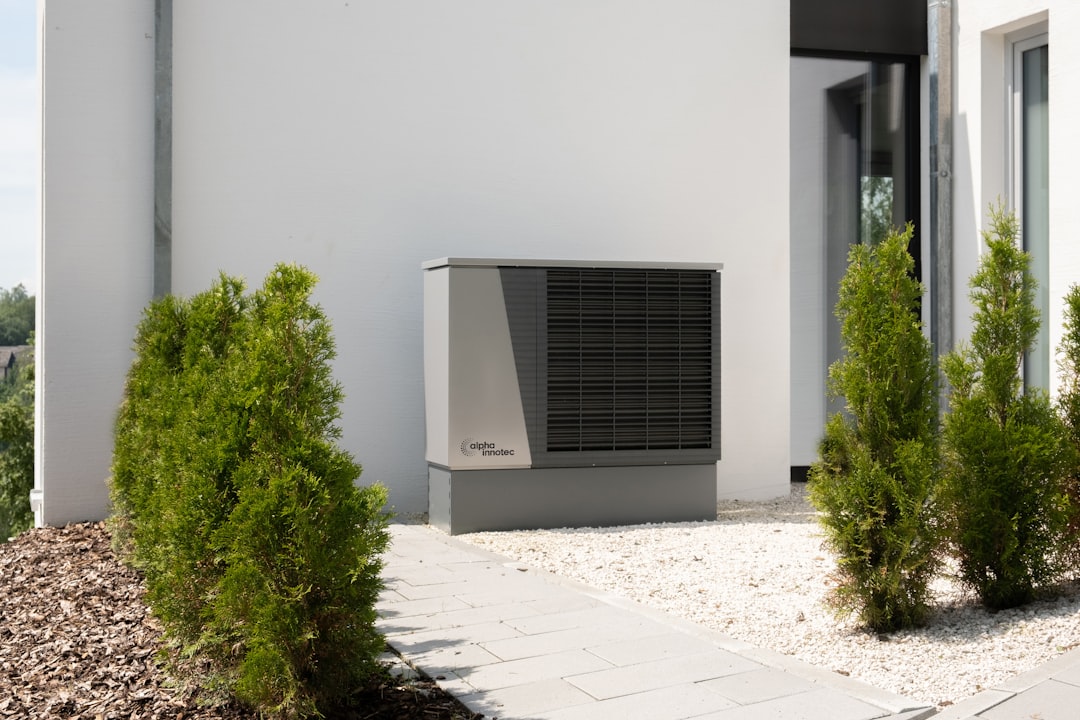
Your outdoor HVAC equipment is highly vulnerable to wind, hail, and flying debris. Taking steps like Protecting Heat Pump from Summer Storm Damage can save you from a major headache when severe weather strikes. Hail can easily flatten the delicate aluminum fins on your outdoor unit, choking off airflow and causing the system to overheat or fail. Knowing How Hail and Wind Damage Your Outdoor AC Unit will help you spot early warning signs of damage, such as bent fins or severed electrical lines, before they turn into complete system failures.
When a storm is on the horizon, go through this quick checklist to secure your property:
Living at a higher elevation affects how your home's systems operate. For instance, did you know that furnaces lose approximately 4% of their heating efficiency for every 1,000 feet of elevation above sea level? In places like Castle Rock or Monument, your heating system already works significantly harder than it would at sea level.
During a storm, lightning strikes and downed power lines can send massive electrical surges through your home. These surges can instantly fry the sensitive control boards in your furnace, air conditioner, or heat pump. Installing whole-home surge protection at your main electrical panel is a highly effective way to safeguard these expensive systems.
Regular maintenance is your best defense against unexpected breakdowns. Learning How to Prevent HVAC Emergencies with Maintenance can help ensure your system is robust enough to survive extreme temperature swings. If your system does go down, having access to specialized local support is critical, which is Why 24/7 HVAC Repair Matters at Altitude when winter blizzards or summer heatwaves strike.
If a severe storm isolates your neighborhood or knocks out utilities, you must be prepared to survive self-sufficiently for at least 72 hours.
An effective emergency kit should be stored in portable, waterproof containers and kept in an easily accessible location known to everyone in the household. Your basic kit should include:
Colorado's high elevation and extreme temperature swings require a few specific additions to your emergency kit:
Your family plan should also include a designated out-of-state emergency contact. Local phone lines are often jammed during disasters, but text messages and out-of-state calls can frequently get through.
When the power goes out, your immediate focus should shift to safety and system protection.
If you use a portable gasoline-powered generator for backup power, never run it inside your home, garage, crawl space, or near open windows. Carbon monoxide (CO) is a silent, odorless killer, and generator exhaust can quickly build up to lethal levels. Always place the generator at least 20 feet away from your home, pointing the exhaust pipe away from any doors or windows. Ensure your home has working CO detectors on every level, as required by Colorado law.
When the power grid fluctuates, it can cause severe electrical stress to your heating and cooling equipment. Knowing What to Check on Your HVAC After a Power Outage is essential. Once power is restored, check your outdoor condenser for debris, verify that your thermostat has powered back on, and check your circuit breaker panel to see if any switches have tripped. If your system makes unusual noises, smells like burning plastic, or fails to start, you should understand When to Schedule Emergency HVAC Repairs to prevent further system damage.
Once the storm passes and it is safe to step outside, perform a cautious inspection of your property:
For those living in our southern service areas, reviewing Emergency Heating Repair Castle Rock Tips can keep your home safe if a severe winter storm knocks out your furnace during freezing weather.
Navigating insurance in Colorado requires a clear understanding of your policy's limits, deductibles, and exclusions.
| Coverage Type | Standard Homeowners Insurance | Flood Insurance (NFIP or Private) |
|---|---|---|
| Wind & Hail Damage | Typically Covered (Subject to deductible) | Not Covered |
| Tornado Damage | Typically Covered | Not Covered |
| Sewer Backup | Optional Add-on (Must be explicitly added) | Not Covered |
| Rising Groundwater / Surface Water Flooding | Not Covered | Covered |
| Post-Wildfire Debris Flows & Mudslides | Often Excluded (Requires flood policy) | Covered |
In Colorado, many insurance companies have moved away from flat-rate deductibles (like $1,000) for wind and hail damage. Instead, they use percentage-based deductibles, typically ranging from 1% to 2% of your home's total insured value.
For example, if your home is insured for $600,000, a 2% hail deductible means you must pay $12,000 out of pocket before your insurance coverage kicks in. It is vital to check your policy declarations page to understand exactly what your deductible is.
Due to rapidly rising construction costs across the Denver Metro Area, up to two-thirds of Colorado households are currently underinsured. If a major storm or wildfire destroys your home, your policy's maximum payout may not cover the actual cost of rebuilding. Consider adding an "extended replacement cost" rider to your policy, which provides an extra cushion (usually 20% to 50% above your policy limit) to cover sudden spikes in local building costs.
If a storm renders your home uninhabitable, your policy's Additional Living Expenses (ALE) coverage will help pay for temporary housing, meals, and relocation costs. Under Colorado Division of Insurance (DORA) regulations, if your home is declared a total loss, insurance companies are required to pay out 65% of your contents coverage limit without requiring you to compile a detailed personal property inventory. However, for partial losses, keeping an updated home inventory with photos and serial numbers stored in the cloud is highly recommended.
No. Standard homeowners insurance policies almost never cover damage caused by rising surface water, overflowing creeks, or groundwater seeping into your basement. To protect your home, you must purchase a separate flood insurance policy through the National Flood Insurance Program (NFIP) or a private insurer. That flood insurance policies typically have a 30-day waiting period before they take effect, so you cannot purchase a policy at the last minute when a storm is forecasted.
To prevent costly water damage from frozen and burst pipes during a winter power outage:
You should evacuate immediately if local authorities issue an evacuation order, or if you live in a low-lying, flood-prone area or near a recent wildfire burn scar during a heavy downpour. Flash floods can develop in a matter of minutes, moving faster than you can run or drive. If you live in a mobile home, you should evacuate to a sturdy, permanent shelter as soon as a severe thunderstorm or tornado warning is issued for your area.
Proactive storm preparedness for Colorado homeowners is the single best way to protect your family, your property, and your peace of mind. By taking simple steps to maintain your roof, clean your gutters, build an emergency kit, and secure your mechanical systems, you can face Colorado's wildest weather with confidence.
At Colorado Bear Heating & Air, we have over 20 years of experience helping homeowners across Castle Rock, Denver, Littleton, Highlands Ranch, Centennial, and the surrounding communities stay comfortable and safe year-round. Our licensed, factory-certified technicians provide honest, reliable work. Whether you need to install whole-home surge protection, schedule pre-season HVAC maintenance, or require fast emergency repairs, we are here to help.
Keep your home resilient against Colorado's extreme weather. Learn more about our comprehensive HVAC services to ensure your comfort systems are ready for whatever the sky throws our way. Contact us today for fast, reliable service from a team that proudly serves your local community.

Get a decision in seconds with no impact to your credit score.


Colorado Bear HVAC is truly the best contractors I have experienced since I moved into my house 30 years ago. I have been dealing with Joe and his crew for over 11 years now. They are a trustworthy, respectful, experienced crew who works with you and gives you a fair value. They just completed a big job replacing my A/C, gas furnace and condenser. They did an excellent job, no short cuts, made sure everything was functional, and cleaned up the area nicely before they left. No pressure to perform unnecessary service. You know when the job is done, you have received top notch professional service at a fair price.


I used Colorado Bear Heating and Air to replace two furnaces in my home. Nate was exceptional to work with. His team did a great job educating me along the way. He provided competitive pricing with 10 year warranties. They installed quickly and were just super great to work with. I’d highly recommend them.

Nate and Sam have been great to work with getting my home humidifier installed in a difficult space in my 1940s house. Their prices were very fair and I would heartily recommend Colorado Bear to anyone looking for a solid HVAC company.
.avif)
Thank you Nate for the promptness you guys gave my parent. They are 93 and can't get around and always getting cold, and I was at work called Nate and he had one of his guys there in like 2 hours which was outstanding my dad was very impressed with the professional and how quick he had it fixed. These guys are great all my family said we found us a new heating and ac company. Colorado Bear Heating & Air you have customers for life!!!! Thank You Again
Carla and the Barnes Family
.avif)
Colorado Bear Heating & Air saved the day! This morning my family and I woke up to frigid outside temperatures(1 degree F)…and no heat! Nate was great over the phone to help me check our furnace, then he sent Sam over to help get us back to warmer temps. They were so quick and helpful. Fortunately I did not have to keep my toddlers inside the house wearing snow suits all day. We are warm now, and so thankful!
.avif)

If you’re in Colorado Springs, The Mountains, or nearby areas, call us to confirm availability for installations.
.avif)